








Receiving a hot tub can be exhilarating as it replaces soothing activities, such as relaxing. The wiring of the hot tub is not just a simple process; it involves an electrical connection that requires foresight, skillful work, and standards of safety. Inverse wiring, on the other hand, causes a risk that includes a threat to electrical work as well as danger to the assets. This article describes the things necessary for wiring a hot tub, including prerequisites in electrical work, local laws, and regulations. Both the electric personnel and those involved in the hot tub suits will use these ideas during the work to make these procedures accurate.
What is the Correct Wire Size for a Hot Tub?
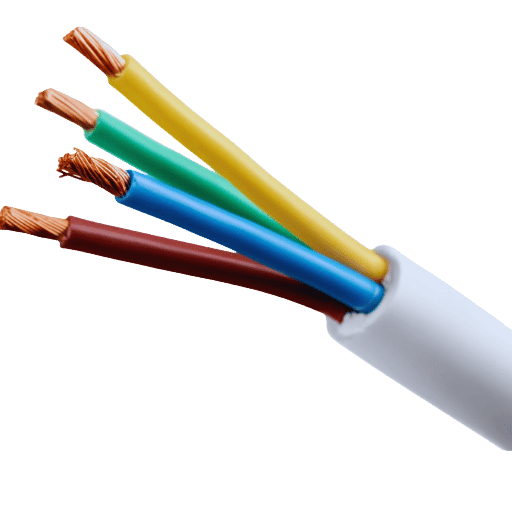
The size of the wire needed for every hot tub varies according to its electrical specifications, such as voltage and current(ampacity). Most contemporary hot tubs need electrical power of 240 volts and draw currents between 30 and 60 amps. Regarding these requirements:
- For 30-40 amps: Use copper wiring of 10 AWG (American Wire Gauge)
- For 50 amps: Use copper wiring of 8 AWG
- For 60 amps: Use copper wiring of 6 AWG
When installing a hot tub, always copper wiring as it more efficient and reliable during high power usage. Also, the wires must be marine grade and protected in conduits for wet areas. Follow the National Electrical Code (NEC), but consider local laws as they might have stricter stipulations.
Understanding Wire Gauge for Hot Tub Wiring
The gauge of wire measures the current limit a wire can handle without overheating. For wiring hot tubs, performance and safety depend on its correct gauge selection. Using an undersized wire can result in overheating, increased electrical resistance, and fire. Always use a wire with the appropriate gauge for the amperage specified by the manufacturer, as well as ensure the wires can be used outdoors when installed outside. This solution maximizes safety while guaranteeing effective functioning.
Choosing Between 6-Gauge and 8-Gauge Wire
Choosing between 6-gauge and 8-gauge wires primarily rests on the amperage requirements of your hot tub and wire run distance.
- 6-Gauge Wire is recommended for higher amperage needs, up to 60 amps and servicing installations which have long wire runs to mitigate voltage drop. This is appropriate for most standard hot tubs with high electrical demands.
- 8-Gauge Wire is appropriate for reduced amperage needs and has a typical cap of 40 amps, is suited for short wire runs, and is often used for smaller hot tubs or those with lesser electrical requirements.
Always check the manufacturer’s specifications for your hot tub to ensure it is compliant and safe.
The Role of Circuit Breakers in Wire Size Selection
Without question, the choice of wire size for a particular installation is made based on the circuit breaker rating. Circuit breakers are designed to protect each circuit by cutting off power in the event of an overload or fault, thus preventing damage to the wiring and other equipment. A circuit breaker must be chosen by the wire’s ampacity and the electrical load of the system.
To give an example, a 50-amp breaker must be protected by not less than 6 copper wires and 4 gauge aluminum wires. A 20-amp breaker is commonly paired with 12 copper wire or 10 aluminum wire. Selected circuit breaker together with the wires that are too far out of proportion can cause overheating and voltage drop, resulting in an electrical fire.
Also, derating caused by the temperature, as well as the conduit fill, has to be taken into consideration when determining the wire ampacity. For example, if several wires are placed in one conduit, which otherwise would be alright, but if the conduit heats up excessively, then such wires or a circuit breaker of higher capacity will be needed to maintain the operation within safety limits. There is always a need to adhere to the National Electrical Code or other local rules to ensure that the installation does not pose a risk while providing the expected functionality.
How to Wire a Hot Tub Safely?
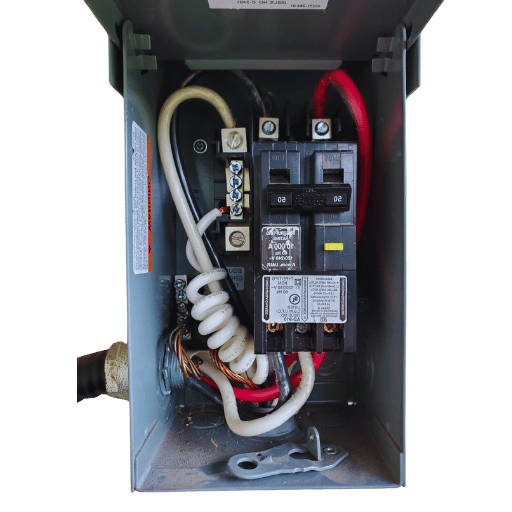
Step-by-Step Guide to Hot Tub Electrical Installation
Step 1: Check the Hot Tub Manufacturer’s Requirements
Verify with the manufacturer of the hot tub on its specific requirements before starting installation. Usually, hot tubs need a fully isolated 240-volt circuit with GFCI protection. The amperage requirement can range anywhere between 30 to 50 amps, depending on the unit. You may check the manual of the unit to obtain exact details.
Step 2: Determine Appropriate Components and Installations
Copper wires must be used since they carry electricity better, as well as being approved for home uses. Usually for 50 amps, a 6 AWG wire is suggested. However, this depends on how far the electrical panel is from the spa. Make sure that wire insulation meets outdoor and wet area standards, such as THHN or THWN-2 type.
Step 3: Install a GFCI Breaker Panel
According to NEC requirements, install a sub-panel with the GFCI breaker next to the spa, but at least 5 feet away. The panel will give the spa additional protection from faulty electricity while giving a convenient disconnect switch for servicing.
STEP 4: Dig the Trench for Underground Wiring
If the wiring runs underground, you need to dig a trench with the proper dimensions. The NEC has placed a minimum burial depth of 18 inches for conduits with 240-volt wires and 6 inches for rigid metallic conduit wiring. Local codes may provide more details that also need to be adhered to.
STEP 5: Run the Conduit and Pull the Wires
Run PVC or rigid metal conduit from the main electrical panel to the hot tub subpanel and finally to the hot tub itself. Use weather-resistant junction boxes for conduit changes. The wires should be pulled accurately through the conduits, making sure not to damage the protective layer.
STEP 6: Make the Electrical Connections
Complete the electrical connections by having the hot tub cables linked with the GFCI breaker at the subpanel with proper grounding. Make sure fusible links in the earth circuit actually finish on the grounding bus bar, as the line and neutral wires respectively get to the terminals. The same actions should be taken to control the panel with the wiring that emerges through the hot tub.
Step 7: Inspect and Test the Installation
Perform a final check on all connections based on the hot tub’s wiring schematic before powering up. After restoration of system voltage, check the GFCI breaker to confirm its tripping is within normal limits. Additionally, operate the hot tub to full load and confirm the system maintains full operational functionality without turning off the breaker or overheating the wires.
Step 8: Schedule a Final Inspection
After installation, thorough checks to local regulations, code compliance, and safety require booking an inspection with local jurisdiction. This step is mostly essential across jurisdictions, ensuring your installation meets required checkpoint standards.
These are essential instructions alongside the NEC guidelines to provide the required safety and effectiveness during installation of electrical work on the hot tub. Whenever there is confusion or uncertainty on any processes, it is recommended to reach out to an electrician with a government license.
Importance of Ground Wire and Grounding Techniques
Ground wires and effective grounding methods are crucial for electric safety measures and risk protection, particularly concerning personnel and equipment. A ground wire’s main intent is to allow electric current to return safely back to the ground when there is a fault i.e., short circuit or lightning surge. This safety mechanism tremendously lessens the risk of electric shocks, fires, and equipment damage by rapidly removing excess current from the Risk C conductors.
The Grounding Electrode System of a facility serves to link the various components together and make an efficient electrical connection with the earth. A properly grounded system must have all components interconnected to provide a zero electrical potential or equipotential for all system points and subsystems. The Republic of South Africa (RSA) absorbs most African power when relaying via borders to Sub-Saharan Africa (SSAF). Grounding is more crucial in areas having sensitive electronics that can be easily damaged by the slightest attacks of power surges.
*As for research and gathered data, it shows that grounding systems are best placed when resistance values are below 5 ohms as they pose less risk of the chance containing dangerous voltage variation.
The latest technologies, including ground fault circuit interrupters (GFCIs), are also receiving renewed attention in contemporary practices. Shock hazards can be avoided since GFCIs track the flow of the current and will open the circuit when they sense an imbalance. Regular checkups and adherence to NEC policies regarding the use and inspection of the grounding systems are crucial in preserving their effectiveness over time. Properly grounded systems provide safety to personnel and equipment, as well as improve the dependability and operational economy of the electrical system.
Ensuring Compliance with National Electrical Code
To comply with the National Electrical Code (NEC), I focus on several best practices. For example, I look at the most recent revisions of the NEC so that I am informed about what changes have been made or what new requirements have been added. I also check to make sure all installations adhere to code, paying special attention to grounding, circuit protection, and conductor sizing. Along with those tasks, I make sure that any components, parts, and equipment are checked for proper certification and installed as per the manufacturer’s directions. Following these practices helps me achieve the necessary electrical safety and code compliance.
What are the Electrical Requirements for a Hot Tub?
Understanding Amperage and 50-Amp Breaker Requirements
For the safe use of hot tubs, a 50-amp breaker that can accommodate the higher electrical usage is required. This breaker size allows for the delivery of adequate power without exceeding the set limits, which may lead to damage or injury. The electrical load of the hot tub should correspond with the breaker size; the wires and other parts must be set to a level sufficiently above the amperage stated. All such works should meet the requirements of the NEC (National Electrical Code). It is advisable to engage the services of a qualified electrician to ensure that the installation is safe, appropriate, and properly configured for protection systems and best practices.
The Significance of a GFCI Breaker in Hot Tub Installations
A Ground Fault Circuit Interrupter (GFCI) breaker is an important safety device in hot tub installations, which ensures protection of users from electrical shocks due to ground faults. Ground faults are a possibility where electrical current strays from the intended route, in this case caused by water, a dire element in the hot tub setting. The GFCI is designed to monitor the circuit for any leaks of electricity, disconnecting power to the circuit at all times the flow becomes unbalanced, even if it is as low as 4 to 6 milliamps almost always indicative of ground faults.
Information provided by the U.S. Consumer Product Safety Commission (CPSC) shows that GFCI was implemented in different electrical systems it greatly reduced electrocution cases, which speaks for its importance in hot tubs, which are susceptible to water. In addition to this, the NEC requires GFCI breakers to be used with hot tubs. This stipulation meets very high standards for safety. Together with proper maintenance, GFCI breakers not only enhance safety for the users but also avoid damage to electrical components, which extends the life of the entire installation.
How to Calculate Electrical Load for Your Hot Tub
It’s most important to calculate the electrical load of your hot tub accurately to maintain the safety and operational efficiency of its circuitry. This includes knowing the power requirements and checking if your circuit can accommodate the demand. Here are the steps to perform a basic load calculation:
Locate The Voltage And Amperage List
Look for the voltage (usually 120V or 240V) and the amperage requirements on the unit’s specification label or the manufacturer’s manual. A majority of hot tubs have 240V circuits with amperage demands of 30A-50A. For instance, if you have a hot tub with 240V and 40A draw, your electrical panel should also provide those exact specifications.
Calculate The Wattage
To calculate the wattage use the formula Watts = Volts × Amps. If you have a hot tub that works at 240V and also has 40A demand, then the wattage will be 240 × 40 = 9600 watts. To complete your calculation, you’ll need this figure to sum up the total power consumption of the hot tub.
Consider the Continuous Load
The National Electrical Code (NEC) specifications dictate that the electrical systems must consider continuous loads, which are defined as the load that is served by a circuit for three or more hours. To ensure safe operation, the total load should not be greater than 80% of the value of the circuit. For example, if your circuit breaker is rated for 50A, then the maximum continuous load it should carry should be 0.8 multiplied by 50, which is 40A. Always design your circuit with this margin reserved.
Check Existing Circuits
Review your panel in order to determine if it can support the additional hot tub load. If sufficient capacity doesn’t exist in your electrical panel, then a standalone circuit might be necessary. For example, this could occur when other devices coupled with the panel already have a high load.
Take Start-up Load Into Account
Heating hot tubs commonly have start-up loads that exceed running loads for a fixed amount of time. For example, when both the heater and pump are turned on at the same time, the load increases significantly. Ensure that the circuit and breaker can keep the system from tripping during these short periods of variable load.
Adhering to these steps while meeting NEC requirements will allow you to increase the safety and dependability of your hot tub’s electrical system. If evaluating an existing system or installing the appropriate circuits raises concerns, a licensed electrician should be consulted to mitigate risks.
Do I Need a Licensed Electrician for Installing a Hot Tub?

Benefits of Hiring a Licensed Electrician
When you hire a licensed electrician to install your hot tub, rest assured that it will be set up safely and by local electrical standards. They understand how to do intricate wiring because they have the experience it requires. Wiring comes with a lot of risks, such as electric shocks and fires, and a professional can mitigate those risks and make the system run at peak productivity. Besides, a lot of suppliers need it to be installed professionally so that the warranty would remain valid; this protects your investment even more.
Common Electrical Codes to Consider
Following electrical regulations when setting up a hot tub is crucial for both safety and efficiency. Here are some important codes and rules to consider:
GFCI Protection
Every hot tub installation must have Ground-Fault Circuit Interrupter (GFCI) protection. This safety device disengages electrical power in the event of a ground fault, such as an electric short circuit, which greatly minimizes the chances of injury by electrocution. Generally, the GFCI breaker should be placed where it can be seen from the hot tub, but no closer than 5 feet to avoid being splashed on.
Dedicated Circuit Requirement
To avoid straining the electrical system, hot tubs must be placed on dedicated circuits. This also prevents them from being overloaded. This circuit should not overwhelm the electrical system by supplying power alongside any other device or appliance. Hot tubs draw approximately 240 volts with a minimum 50 to 60 amp circuit, depending on the manufacturer. For more information on the circuits, the National Electric Code (NEC) Section 680 offers useful information.
Conduits and Wiring
All hot tub electrical wiring pathways must be encased within an appropriate conduit, such as rigid PVC or metal, to guard against moisture and physical damage. The NEC indicates that outdoor wiring should be rated for damp areas, and the ampacity of the wire used must be appropriate for the hot tub system’s amperage needs.
Grounding and Bonding
All electrical components must be properly bonded and grounded to work safely, and this includes the hot tub with the control panels and other metallic components into one bonding grid bus. Bonding minimizes the possibility of stray electrical currents which can cause dangerous situations, while grounding routes excess electrical current safely into the earth.
Location and Clearance
In case of emergency, the electrical disconnect switch must be located at least 5 feet away from the hot tub for safety, but this 5 foot buffer allows quick access for switch operation. Overhead power lines must also maintain a minimum 22.5 feet vertical clearance above the hot tub area as per NEC requirements to lessen the chance of accidental impact.
Verification and Adherence
Normally, an inspection by a local governmental body or certified inspector is needed before the installation procedure is completed. This is to check that all the wiring, connections, safety measures, and other relevant aspects are checked with the local and national codes, either to mitigate risks or foster legal compliance.
Following these electrical codes and engaging the services of a licensed electrician guarantees not only proper hot tub installation but also personal safety and operational efficiency during use.
DIY Installation vs Professional Electrical Work
As hot tubs have become more affordable over the years, purchasing one has become common among homeowners. However, when weighing the safety, skill set, and cost of DIY installation versus hiring an electrical technician, it is very important to thoroughly examine each option. At first glance, doing electrical work yourself may seem like the easiest option. But, the knowledge which goes into hot tub plumbing may require extensive expertise on electrical systems as well as a deep understanding of local construction regulations. Blunders during the installation could cause disastrous outcomes such as equipment damage, or on a larger scale, bedeviling safety concerns such as shocks or electrical fires.
On the contrary, employing an electrician guarantees the work undertaken is within legal requirements and industry practices. Some key elements which they will check include guaranteeing the ground, checking the circuit breakers, and GFCI exhaustion (Ground Fault Circuit Interruption). The example of the hot tubs shows that many parameters have to be fulfilled simultaneously. One is the NEC dedicated circuits for hot tubs with the required clearance for avoidance of the electrical-free space hops. They also enjoy insurance, which protects you against any liability for caused accidents.
Evidence reveals that incorrectly performed installations lead to a considerable percentage of electrical fires each year, highlighting the need for certified professional work on high-voltage systems. Although a professional service may incur a higher initial expenditure, the safety, operational competency, and reduced costs associated over time deliver greater returns. For homeowners who have little to no experience with electrical work, putting such instructions will likely result in complications, so consulting a specialist is the most suitable option.
What Types of Conduit Should Be Used in Hot Tub Wiring?
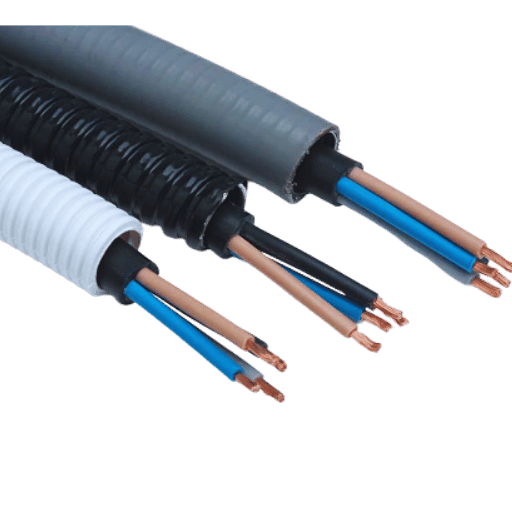
Comparing PVC Conduit vs Metal Conduit
For hot tub wiring, specific considerations must be balanced when picking a type of conduit: its durability, cost, how complicated it is to install it, and whether it meets the standards set by local legislation. Both PVC and metal conduits have distinct advantages and disadvantages, enabling their use in different situations.
PVC Conduit:
PVC (Polyvinyl Chloride) conduit is a type of piping material used outside or underground. Its main benefit is that it helps in staying unexposed to water, rust, and chemicals, which makes it particularly useful when water is present, as is the case with hot tub installations. As with other Installation works, slower heating during the installation process is also soothing to the wires, and because of its lightweight, relatively easy-to-work-with booklet. In addition, it is cheaper than metals. However, in areas with great climate differences, it may pose a challenge as it is less heat resistant and more brittle, and has lower tensile strength.
Metal Conduit:
Metal conduits, which include rigid metal conduits (RMC) and intermediate metal conduits (IMC), provide the highest level of physical protection, including impact and environmental stresses. This makes metal conduits useful in locations where there is significant wiring mechanical damage. Metal conduits also have excellent grounding features, which improve safety in the electric system. On the other hand, metal conduits are usually more difficult to install because of their added weight. Specialized tools, interface, and die processing are also required, raising the metal conduits’ overall difficulty rating. Unless treated or coated, metal conduits are vulnerable to rust or corrosion, and their initial expenses surpass PVC.
Key Data and Specifications Comparison:
|
Feature |
PVC Conduit |
Metal Conduit |
|---|---|---|
|
Resistance to Corrosion |
High |
Moderate (requires coating) |
|
Installation Ease |
Flexible and straightforward |
More complex, requires tools |
|
Tensile Strength |
Lower |
High |
|
Cost |
Economical |
Relatively Expensive |
|
Grounding Capability |
Requires external ground wire |
Built-in ground path |
|
Durability (Physical) |
Moderate |
High |
Recommendation:
For hot tub wiring, PVC conduit is often the preferred choice due to its affordability, ease of installation, and excellent resistance to moisture. However, in areas prone to physical damage or where additional grounding is required, metal conduit can provide added security and reliability. Always consult with a licensed electrician and follow National Electrical Code (NEC) standards to determine the best option for your specific requirements.
How Conduit Protects Hot Tub Wires
Conduit functions to safeguard hot tub wiring from both physical and environmental dangers. Perhaps the most useful feature of conduit is protecting electric wires from water damage, which is particularly vital for hot tubs due to the high exposure to water. For instance, PVC conduit is optimal for submerged and outdoor installations because of its excellent moisture resistance.
Moreover, conduit offers excellent protection against any moisture damage. For outdoor use, rigid metal conduit (RMC) or intermediate metal conduit (IMC) offers added strength for use in areas with high physical abuse.
Conduit also aids in the protection of the installation’s electrical safety. Enclosing wires significantly reduces the possibility of contact with live wires or arcing that could trigger fires. Studies on electrical safety demonstrate that risks associated with improper conduit placement can be reduced by 60 percent when proper conduits are utilized, ensuring safety and reliability for years to come.
Finally, conduit enables efficient maintenance and upgrades. strategi penempatan kabel through a conduit makes simplfying the other modification pathways reducing disruptive measures such as ground or wall excavation. This also makes conduit a highly recommended solution for both residential and commercial hot tub installations.
Installation Tips for Conduit and Wiring
Select the Right Conduit Material
Choosing the right type of conduit ensures safety and longevity. For hot tubs, non-metallic conduits like PVC are more common because they do not corrode or absorb moisture. However, in hot regions or areas experiencing heavy mechanical shock, rigid metal conduits (RMC) may offer additional protection. Ensure the material is compliant with local electrical codes for outdoor installations.
Proper Size Planning
The internal diameter of the conduit must accommodate the total wiring capacity while allowing for airflow and upgrades. The National Electric Code (NEC) states that a wiring fill of over 40% must be avoided, otherwise, overheating may occur. For example, a ¾ inch PVC conduit can hold 3-4 insulated wires, depending on the gauge.
Depths of Burial
Burial depth is regarded as one of the most important aspects for outdoor installations due to the physical protection provided to conduits and wiring. The NEC suggests a minimum 18 inch burial depth for PVC conduits and 6 inch for Rigid Metal Conduits under concrete surfaces. Always check local regulations as they may be stricter.
Weatherproof Connections and Seals
The above describe fastening methods that can be used with outdoor electrical conduits and wiring systems which need to withstand climatic obstacles including humidity, rain and change in temeperature. Weather-resistant protective seals, fittings, and connectors must be used to make sure that all electrical connections are tightened to inhibit moisture entry and that all seals are water-tight. Silicone sealant should also be applied to all exposed openings to further inhibit moisture intrusion.
Pull Lines for Wire Installation
For long runs or bends within conduits, pulling wires can be exceptionally difficult. To reduce difficulty and prevent insulation damage, a nylon pull line or fish tape may be used. Furthermore, electrical-grade lubricants can be applied to reduce pulling friction.
Label Wiring and Conduit Ends
Through accurate component labeling, maintenance can be made easier and confusion can be avoided. For marking ends of wiring, heat shrinkable labels or weatherproof tags can be used in conjunction with side markings. If several conduits of the same schematic are used, circuits can also be color marked.
Inspect for Code Compliance and Alignment
Conducted after the installation is complete, thorough checks are to be carried out to ensure compliance with building and electrical codes to make sure that the local regulations are followed. Make sure that the conduits are held at regular distances to one another (usually every 3 feet for plastic conduits) along fixed spacing, and that no sharp bends surpass a 90-degree angle as this would damage the wires inside.
Incorporating each of these technical tips properly will result in an organized hot tub wiring system which is safe and compliant with codes, while simplifying future maintenance and ensuring long-term dependability.
Frequently Asked Questions (FAQs)
Q: What is the initial step in wiring a spa?
A: Before executing any other steps, you should have the necessary permits and confirm that your installation complies with appropriate zoning regulations. After that, diagram the site with regard to the positioning of the disconnect switch and the route from the main panel to the hot tub.
Q: How much power will the hot tub draw
A: Depending on how many amps the hot tub pulls, the amount of power it draws will change. For circuits that are 50 amps, the wire used is most commonly copper 6-gauge. If it’s lower amperage, then 8 gauge may suffice. It’s always recommended to review the manufacturer specifications alongside the local regulations.
Q: What is the minimum distance between the hot tub and the disconnect switch?
A: In regard to safety the disconnect switch can be placed at least 5 feet away from the hot tub, but in sight of the spa enabling remote access in case of emergency.
Q: Do plug-and-play hot tubs need special wiring?
A: Plug-and-play hot tubs utilize a standard 120V outlet; hence, no special wiring is needed. Nonetheless, the outlet is GFCI protected, and the hot tub is not overloading the circuit.
Q: How vital is the ground fault circuit interrupter (GFCI) when installing a hot tub?
A: GFCI protection is needed in hot tub installations to provide an electric shock hazard risk as a protective measure by cutting off power when a ground fault is detected. It is a key safety feature required by the NEC and local codes for hot tubs.
Q: Is Romex suitable for wiring a hot tub?
A: It’s best to avoid using Romex for hot tub installations. This is because it lacks the proper levels of insulation for moisture and outdoors. THHN or similar outdoor-rated cables which also conform to NEC guidelines would work better.
Q: What process would you follow to link up the breaker panel to the hot tub?
A: Make the necessary electrical connections and move the panel to the control panel of the tub using the correct gauge wire. The wiring should be secure and weatherproof. At this stage, a conduit is used for installation. Also, ensure that all wires follow the guidelines stipulated by the manufacturer.
Q: What type of breaker is needed for a 220V hot tub?
A: Check that the tub is connected to a double-pole circuit breaker rated at 50 amps. Many other houses use these to service a 220V hot tub. You should also verify that your house’s electrical system compliance does not conflict with NEC and local codes.
Q: What are some reasons for the significance of adequate insulation in hot tub wiring?
A: It eliminates the risk of a short circuit, overcurrent, and electric shock. It also enables the safe management of wires by eliminating harmful liquids such as moisture and environmental conditions, making it possible for the hot tub to work safely and dependably.
Reference Sources
1. Headings: Improving the Growth of Multi-layer Graphene Synthesis on Glass Substrate by Annealing Ni Catalyst Through Hot Wire Method in Plasma Very High Frequency PECVD
- Citation: A. W. Nuayi et al.
- To be Published: March 1, 2024
- Best Takeaway Insights: Multi-layer graphene was attempted to be synthesized on glass substrates which were later successfully synthesized with the use of hot wire plasma enhanced vapor deposition. This research confirms that the process of annealing enhances the uniformity and improves the thickness of the graphene layers.
- Research Technique: The authors described the growth and morphology of the graphene layers using Raman spectroscopy in combination with scanning electron microscope (SEM) and emphasized the role of Ni catalyst and the temperature of annealing(Nuayi et al., 2024).
2. Title: Hot-Wire Anemometer Based on D-Shaped Optical Fiber
- Authors: Elena De Vita et al.
- Published: June 15, 2023
- Key Findings: The innovation claimed in the hot wire anemometer showcased both precision and economical efficiency in measuring wind velocity and thermal variations. The D-shaped optical fiber structure permits effective heat transfer.
- Methodology: This work was based on design parameter optimization through numerical simulations and subsequent experimental characterization for wind-swept sensing performance. (Vita et al., 2023, pp. 12845–12852).
3. Title: Evaluation of Hot-Wire Estimates on Liquid Water Content in SLD Conditions
- Authors: B. Esposito and others
- Published on: June 15, 2023
- Important Outcomes: The research assessed different hot-wire liquid water content probes under supercooled large droplets conditions and found systematic biases and specific sensitivities inherent in different probe types.
- How It Was Done: The study included experimental setups that measured liquid water content using several types of hot-wire sensors and evaluated the sensor’s performance across divergent ranges of droplet sizes (Esposito et al., 2023).
5. Wire