







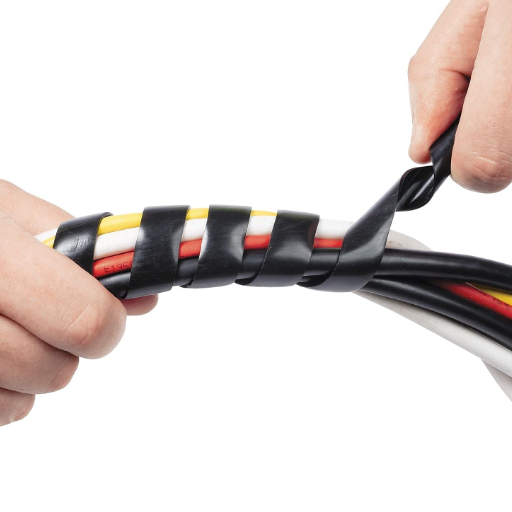
It is a difficult task for many people in both business and home environments to keep cords, wires, and tubing neatly organized. Besides clutter, tangled cables can also create safety hazards and decrease the efficiency of the overall operation. Spiral cable wraps, however, are here as a flexible and practical solution. These new types of organizers are meant to hold your wires and tubing firmly together, thereby giving a tidy area and preventing them from being damaged in the process. We will talk about the advantages of spiral cable wraps, their different uses, and the features that make them a must-have for keeping your tech, industrial, or home environment in order in this blog post. It will not matter if you are a professional wanting to make your workspace more efficient or a homeowner who is fed up with unorganized cables; this guide will equip you with all the necessary knowledge to make a good decision.
Introduction to Spiral Cable Wraps
What is a Spiral Cable Wrap?
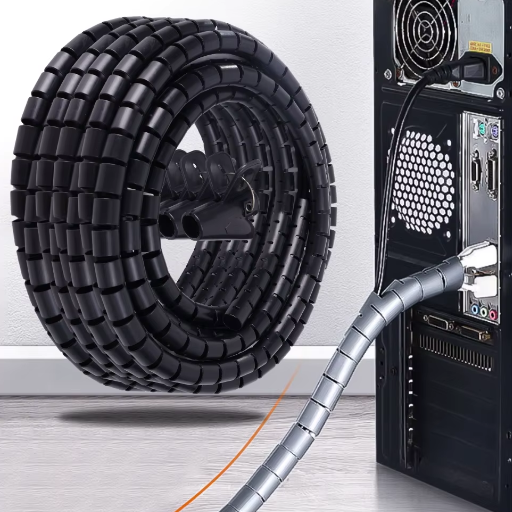
A spiral cable wrap is an adaptable and practical solution for cable management that provides organization, protection, and management all at the same time. Generally, its material is strong yet flexible enough to be used in a wide variety of applications, from protecting cables in bunding to various electronic device production. The wrap is designed so that the coiling allows even the largest cables to be combined neatly while remaining accessible.
The main function of spiral cable wrap is to organize and reduce the number of cords running around while preventing them from getting tangled, consequently lessening the risk of damage in homes and offices. This cord bundling facilitates a neat arrangement and provides easy identification and protection from wear and tear that might result from constant movement or friction. Applications stretch from computer cable management to industrial wiring security and even organizing cords in home entertainment systems.
✨ Key Features of Spiral Cable Wraps
- Easy Installation: Add or remove cables without disassembling the entire bundle
- Customizable Length: Can be cut to the required size for various setups
- Flexible Design: Bends to fit into tight or odd spaces
- Multiple Sizes: Available in various diameters for different cable configurations
Benefits of Using Spiral Wrap for Cable Management
Spiral wraps work excellently for keeping cables organized and protected. One of the main advantages is that they prevent cabling mess and damage, which is essential for keeping gadgets alive and performing optimally. Using spiral wraps creates a cleaner, safer working environment while eliminating the hazards of messy, unsecured cables.
The flexible material composition is the primary reason for their popularity among users. They can accommodate cables with various diameters and shapes, fitting into even the most difficult configurations with ease. These tools require no technical know-how—anyone can make quick adjustments like adding or removing a wire without dismantling the whole setup, making them ideal for both home and professional users.
Common Applications of Spiral Cable Wrap
Spiral cable wraps are widely utilized in various settings, both professional and personal, for organizing and protecting cables effectively. Their main use is in office environments where audio-visual and computer devices—including computers, monitors, and printers—require neat and orderly cable layouts. The cable wraps not only keep wires hidden but also reduce the risk of tripping hazards, providing a more secure office environment.
Office Environment
Organize computer, monitor, and printer cables for a professional, hazard-free workspace.
Industrial & Manufacturing
Protect cables at machine points exposed to mechanical tension or movement.
Automotive
Bundle vehicle wires safely to ensure proper system performance.
Home Theater
Manage audio, video, and power cables for a clean, beautiful entertainment setup.
Types of Spiral Cable Wraps
Flexible Spiral Wrap Options
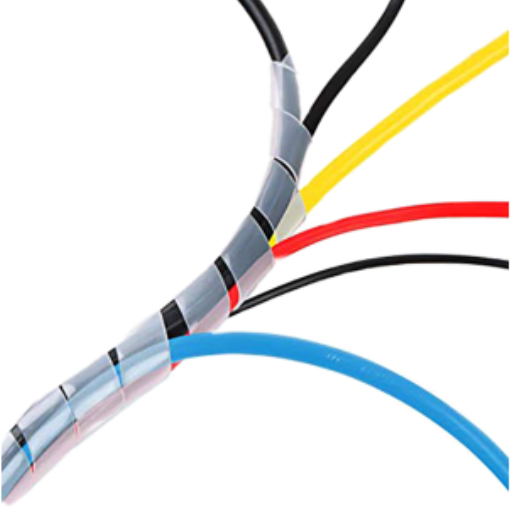
Flexible spiral wraps are intended for cables that need to be well-organized and easily movable. Generally, these wraps are made of polyethylene or nylon, which are both strong and flexible. The design ensures constant access to cables for adjustments, making them perfect for dynamic setups where cable routing changes frequently.
The main advantage of flexible spiral wraps is their size versatility. They can wrap tightly around cables, fusing several wiring lines into one neat, compact bundle. This adjustability makes them ideal for all kinds of applications and environments—from homes and offices to factories—keeping wires in order without sacrificing function.
💡 Pro Tip
Flexible spiral wraps feature a stretchable structure that allows users to wrap cables easily without tools. Their repeatable use and cost-effectiveness make them an excellent choice for anyone seeking an efficient cable management solution.
Protective Spiral Tubing Variants
Protective spiral tubing comes in many variants, each catering to specific needs and applications. The most popular types include polyethylene tubing, nylon tubing, and flame-retardant tubing.
When choosing protective spiral tubing, consider the operating environment, size and type of cables being managed, and any particular safety requirements. Selecting the right variant ensures effective cable protection, longer cable life, and an organized, safe working area.
Hydraulic and Pneumatic Spiral Wraps
Spiral wraps for hydraulic and pneumatic systems are fundamental for managing and protecting hoses in high-demand industrial environments. These wraps cover and protect hoses from adverse conditions while keeping them organized for easier handling and access. Hoses wrapped spirally are much less likely to incur damage, prolonging equipment life.
🔧 Hydraulic & Pneumatic Wrap Advantages
- Quick installation over existing hose assemblies without detaching components
- Generally resistant to heat, chemicals, and UV rays
- Consistent performance in extreme conditions
- Prevents costly downtime by protecting critical systems
When selecting spiral wraps for these applications, consider hose diameter, system pressure, and the specific working environment. Proper selection increases hose safety, maintains workspace tidiness, and prevents costly downtime. The versatility and durability of hydraulic and pneumatic spiral wraps make them essential for the uninterrupted operation of crucial systems.
Choosing the Right Spiral Cable Wrap
Factors to Consider: Diameter and Material
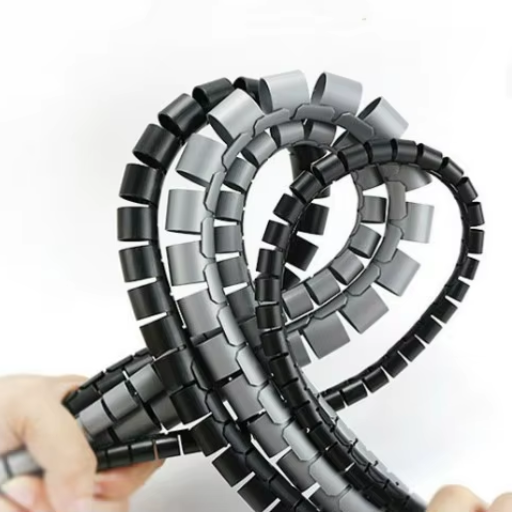
The diameter of the spiral cable wrap is the first and most important aspect to consider. To ensure wraps fit well, first measure the outer diameter of the cable or hose you’re going to cover. Pick a wrap with a slightly larger diameter so all cables can be housed securely without compression. This makes installation easier and protects cables from damage or wear during their lifetime of use.
✅ Selection Checklist
1. Measure Cable Diameter
Measure the outer diameter of your cable bundle and select a wrap slightly larger.
2. Assess Material Requirements
Polyethylene for general use; nylon or polypropylene for high-temperature or corrosive environments.
3. Evaluate Operating Environment
Indoor applications need light materials; outdoor require UV, moisture, and mechanical stress resistance.
4. Consider Future Scalability
Choose expandable options if you anticipate adding more cables later.
Color and Aesthetic Choices
Selecting the proper color and aesthetic for cable organizers provides both visual and functional benefits. From a functional standpoint, various colors can classify cables for quick identification. For instance, color-coded wraps—red for power cords, blue for data cables—save time during troubleshooting or maintenance. Choose colors that contrast with both cables and the surrounding environment for easy identification.
Aesthetic value plays an important part too, especially in environments where appearance matters like office spaces, home theaters, or public display areas. Black, white, and gray neutral tones are top choices for a sleek, professional look, while bright colors add creative flair to home offices or playrooms. Color-coordinating organizers with existing décor helps the setup integrate nicely into its surroundings.
🎨 Color Selection Guide
Red — Power cables
Blue — Data cables
Green — AV cables
Orange — Network cables
Black — Professional settings
White — Modern aesthetics
Beyond color, consider material finishes and textures. Matte finishes give a subtle, contemporary look, while glossy materials draw attention but show fingerprints or dust more easily. By considering both color and aesthetic characteristics, you can find a balance between practicality and style that improves cable management while enhancing your overall space appearance.
Compatibility with Different Wire Types
When selecting cable management solutions, ensuring compatibility with your wire types is crucial. Cable management systems accommodate a wide range of wire types, including electrical cords, data cables, and charging wires. Understanding the dimensions and flexibility of your cables helps determine whether a specific product can house them securely and efficiently.
By matching wire type to the appropriate cable management design, you prolong the lifespan of your cables while ensuring a tidy and professional setup.
DIY Cable Management Solutions
Step-by-Step Guide to Using Spiral Cable Wrap
Gather Your Materials
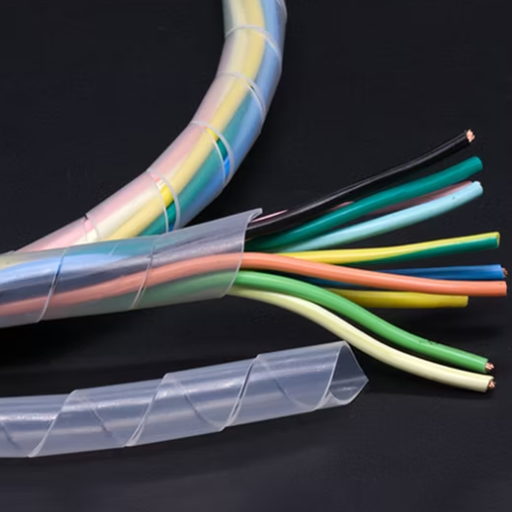
Before starting, ensure you have a spiral cable wrap along with the cables that need organizing. Place the cables on a clean surface and lay them flat so no tangles or knots form. This preparation step makes the process easier and produces neater results.
Align the Cables
Select the cables you want to wrap together and place them in a line next to each other. Make sure the ends are located where they need to connect to their respective devices. This prevents having to redo the work later.
Start Wrapping
Grab one end of the spiral cable wrap and begin coiling it around the grouped cables. Start at one end and slowly spiral the wrap down the cables’ length, keeping it tight but not overstretched. Shift as needed to ensure all cables are evenly locked inside the wrap.
Secure the Wrap
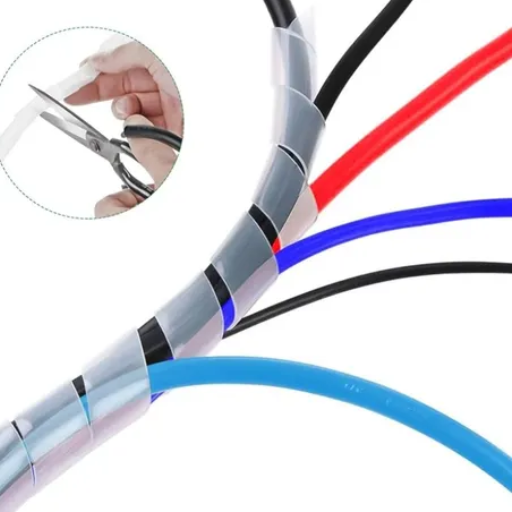
When you reach the other end, cut off any excess spiral wrap. Make sure the wrap is securely fastened on both sides and check for loose spots. Your wires will now be organized, neat, and protected!
Before-and-After Case Studies
Safety and Maintenance Considerations
Protective Features of Spiral Wire Wrap
Spiral wire wraps effectively protect wires and cables against wear and tear, prolonging product life. Covering cables with a durable, flexible sheath wards off physical damage including abrasion, bending stress, and minor impacts. These protective features keep wires intact and fully functional in high-traffic environments or industries where wires face external stress.
Physical Protection
Guards against abrasion, bending stress, and minor impacts to keep cables intact and functional.
Heat Management
Provides space and ventilation for cables to release heat, preventing overheating during prolonged use.
Environmental Shield
Strong protection against dust, moisture, and contaminants—crucial for outdoor or industrial environments.
Regular Maintenance Tips for Wire Organizers
Properly maintained wire organizers will last longer and keep cables safe and organized. Follow these tips to keep wire organizers in good condition:
🔍 Routine Inspection
Examine wire organizers regularly for damage, cracks, splits, or loosened wraps. This allows for detecting problems in time before cables become compromised. Check if dust or debris has accumulated, as this reduces effectiveness and attractiveness.
🧹 Cleaning Guidelines
Use a soft dry cloth to wipe wire organizers. For stubborn dirt, use a slightly damp cloth. Do not use harsh chemicals or abrasive materials as they may damage wrap materials. In high-dust or industrial environments, more frequent cleaning is required.
🤲 Proper Handling and Repositioning
When making changes to wire organizers, do so carefully to prevent overstretching or damage. Don’t use excessive force while pulling or twisting, as this leads to deformities over time. For frequent wire movement, invest in organizers designed for reusability with an ergonomic, durable design.
Addressing Common Safety Risks with Cables
Cables are essential in almost every modern system, but if not managed properly, they can create different safety risks. Understanding these risks helps you maintain a safe environment.
⚠️ Common Cable Safety Risks & Solutions
Tripping Hazards
Risk: Loose or improperly secured cables in walkways.
Solution: Route cables along walls, under desks, or tape to the floor. Use cable organizers in high-traffic areas.
Fire Hazards
Risk: Damaged or overloaded cables causing overheating or short circuits.
Solution: Inspect cables for aging, exposed wires, or burn marks. Replace defective cables immediately. Avoid overloading power strips.
Electrical Damage
Risk: Mishandling and improper storage causing malfunctions and electric shocks.
Solution: Don’t bend cords at sharp angles, step on them, or apply excessive tension. Store neatly coiled in dry, cool places.
Implementing and adhering to good cable management practices significantly reduces safety risks and creates a safer environment for both personal and professional spaces.
Frequently Asked Questions (FAQ)
References
-
RUMPAC Cabling Specifications
This document provides detailed specifications for cable management, including wrapping techniques.
Read the document here -
Slings: Chain, Web, and Wire Rope
This resource discusses cable wrapping and related applications in industrial settings.
Access the document here -
Practical Applications of Cables and Ropes in the ISS
This NASA document includes information on spiral designs and cable applications in space technology.
View the document here - Get Your Solar Cable Needs Covered with JOCA – Your Trusted Supplier