







Introduction to Spiral Cables
What is a Spiral Cable?
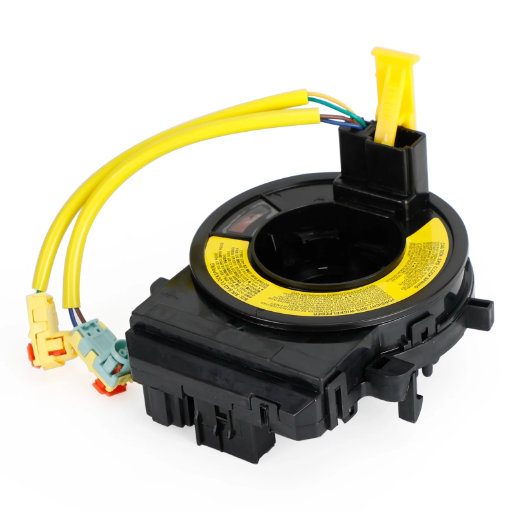
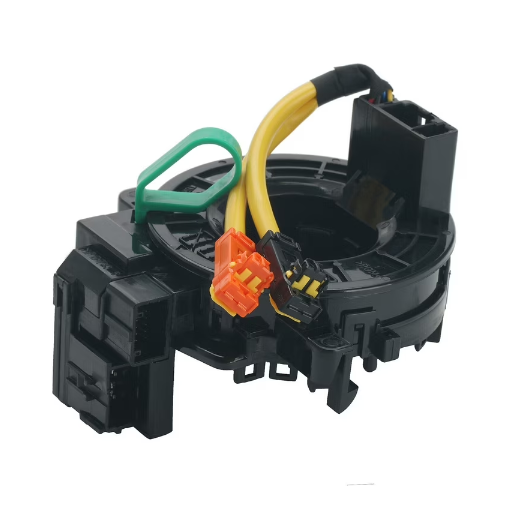
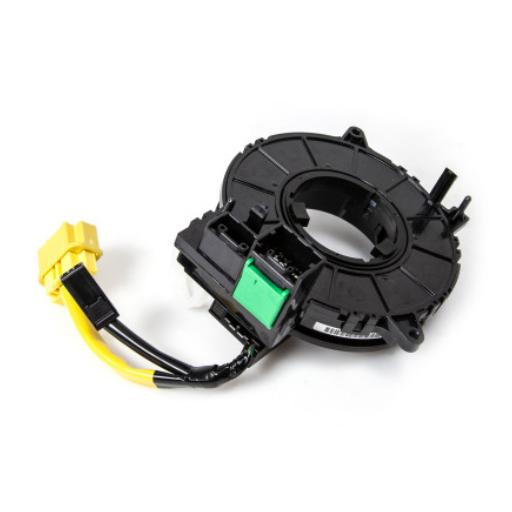
A spiral cable, commonly referred to as a clock spring, represents one of the fundamental components in contemporary automotive steering systems. Its primary function involves maintaining an uninterrupted electrical connection between the steering wheel and the systems it controls—including the airbag, horn, and various electronic features. The cable’s spiral configuration allows it to expand and contract as the steering wheel rotates while preserving electrical connectivity throughout.
The spiral cable operates by providing a flexible yet secure connection that adjusts according to steering wheel movement. This inherent flexibility prevents the issues associated with tangled or broken electrical signals during wheel rotation. Installed within the steering column, this hidden component maintains open communication lines between steering wheel controls and the vehicle’s primary systems.
⚠️ Important to Know
A fault in the spiral cable may cause visible problems like a non-functional horn, dashboard warning lights, or airbags that fail to deploy during an accident. Regular servicing and careful handling during repairs can prevent such issues, allowing the spiral cable to effectively carry out its vital function within vehicle systems.
Importance of the Clock Spring in Steering Systems
The clock spring serves as a critical component in modern steering systems by establishing a dependable connection between the steering wheel and various vehicle parts. It permits the horn, airbags, and steering wheel controls to activate without delay, even when the wheel is turned completely to either side. Without this component, these features become inactive, negatively affecting both safety and usability.
One of the primary reasons the clock spring remains essential relates to airbag deployment. A damaged or faulty clock spring might prevent airbags from deploying during an accident, placing vehicle occupants at significant risk. Additionally, malfunctions in steering wheel-controlled systems such as audio, cruise control, or horn may occur, leading to inconveniences or potentially unsafe driving conditions.
Safety Note: Drivers should pay attention to signals like dashboard indicator lights or a non-functional horn, as these can indicate clock spring defects. Addressing these issues promptly with professional servicing helps maintain steering system safety and efficiency.
Steering Wheel Functions Overview
The steering wheel serves as an essential vehicle component, acting as the primary interface between the driver and the car’s directional control. Its fundamental purpose involves regulating the vehicle’s steering system, giving the driver authority to maneuver the car with accuracy and comfort. When the driver turns the steering wheel, this action passes through the steering column to the wheels, altering their angle to determine the route taken.
Modern steering wheels have evolved to offer sophisticated features beyond directional control. They frequently incorporate built-in controls for audio systems, cruise control, and phone connectivity. These integrated features significantly increase driver comfort by allowing control of various systems without removing hands from the wheel, thereby reducing distraction potential.
Directional Control
Primary function allows precise vehicle maneuvering through connected steering column systems.
Integrated Controls
Built-in buttons for audio, cruise control, and phone connectivity for hands-on-wheel convenience.
Safety Integration
Houses driver airbag and adjustable column for optimal driving position and crash protection.
Common Issues with Spiral Cables
Symptoms of a Failing Clock Spring
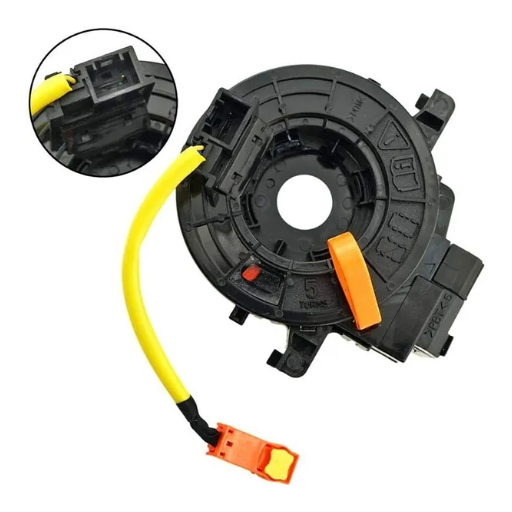
When a clock spring malfunctions, it displays several easily noticed signals that typically affect vehicle controls and safety features. Understanding these warning signs enables prompt diagnosis and repair, preventing potential safety hazards.
Effect on Horn and Airbag Operations
Clock spring failure directly impacts horn and airbag functionality, jeopardizing crucial safety factors in the vehicle. The primary function of the clock spring involves ensuring electrical passage from steering wheel controls to the vehicle’s electrical systems. Device failure results in disrupted connections, rendering the horn non-functional—a significant concern when drivers need to alert other road users.
The airbag system relies extensively on the clock spring for proper deployment timing during crashes. An impaired or malfunctioning clock spring could mistakenly prevent airbag inflation, consequently amplifying injury risk during accidents. This scenario proves unacceptable given that airbags represent one of the most significant safety devices designed to lessen impact effects on vehicle occupants.
🚨 Critical Safety Warning
Any indication of clock spring failure—including a silent horn or illuminated airbag warning light—requires immediate professional inspection and repair. Delaying service could result in airbag deployment failure during an accident, potentially causing severe injury or fatality.
Diagnosing Spiral Cable Problems
Identifying spiral cable problems requires systematic evaluation of symptoms and professional inspection. The diagnostic process involves multiple steps to ensure accurate identification of the faulty component.
Diagnostic Process Steps
Identify Warning Signs
Check for airbag warning lights, non-functional horn, or malfunctioning steering wheel-mounted controls such as audio or cruise control systems.
Physical and Electrical Inspection
A trained technician accesses the clock spring to examine for wear, frayed wires, or broken connections. Diagnostic tools test continuity and verify electrical signal passage.
Professional Repair
Upon confirming the spiral cable is defective, replacement with a compatible, high-quality part is required. All corresponding systems should be verified after installation.
Replacement of the Steering Wheel Spiral Cable
Step-by-Step Replacement Guide
Prepare the Vehicle
Park the vehicle on a flat surface and engage the parking brake. Disconnect the battery by removing the negative terminal to ensure airbags are deactivated for safety during the process. Allow several minutes for electrical systems to fully discharge before proceeding.
Remove the Steering Wheel
Carefully detach the airbag module by unfastening it from the steering wheel, taking extra care not to damage connecting wires. Once the airbag is removed, disconnect all electrical connectors attached to the spiral cable. Use the appropriate tool to unbolt and remove the steering wheel. Mark its position to ensure correct alignment during reassembly.
Replace the Spiral Cable
Remove the faulty spiral cable from its mount at the back of the steering wheel. With great care, install the new spiral cable, ensuring proper alignment and maintaining the correct number of rotations for the cable’s mechanism. Reconnect all connectors and securely fasten the new spiral cable to its mount.
Reassemble and Test
Reinstall the steering wheel in the previously marked position and reconnect the airbag module. Reconnect the battery and start the vehicle to test all systems. Verify that the airbag warning light remains off and confirm all steering wheel electronic controls function properly. Use proper diagnostics equipment when available for comprehensive verification.
Tools Required for Replacement
🔧
🔩
⚙️
📐
✏️
📊
Safety Precautions During Replacement
⚠️ Essential Safety Checklist
Choosing the Right Spiral Cable

OEM vs. Aftermarket Options
Selecting between OEM (Original Equipment Manufacturer) and aftermarket spiral cables requires careful consideration of the advantages and disadvantages each option presents. Understanding these differences helps ensure you make an informed decision appropriate for your vehicle and budget.
💡 Expert Recommendation
If guaranteed compatibility and long-term reliability are priorities, OEM typically represents the safer choice. However, well-researched aftermarket options from reputable brands can offer excellent value. Consulting with a skilled mechanic helps identify the right part for your specific vehicle and needs.
Factors to Consider for a Perfect Fit
🚗 Vehicle Compatibility
Ensure the spiral cable matches your specific make and model. The component must adhere to manufacturer specifications for proper alignment and reliable performance in airbag and steering operations.
⚡ Quality & Durability
The component experiences constant turning and movement, requiring materials with an extended lifespan and excellent wear resistance. Seek parts manufactured to meet or exceed industry safety and reliability standards.
🔧 Installation Requirements
The cable must permit secure installation without modification to the original fittings. Correct positioning ensures long-term safety and operability. Consult your vehicle manual or a professional mechanic for proper installation.
The Role of Spiral Cables in Vehicle Safety
Enhancing Driver Comfort
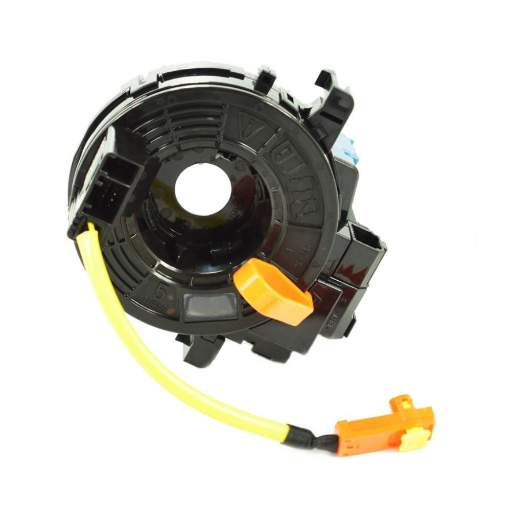
Spiral cables contribute significantly to driver comfort by enabling seamless electrical communication throughout the vehicle. These cables transmit signals from the steering wheel to various systems including the airbag, horn, and audio controls. By facilitating these connections, spiral cables enable drivers to control vital vehicle functions safely and comfortably without removing their hands from the steering wheel.
A primary application of spiral cables involves enabling multi-function steering wheels. Contemporary steering wheels frequently incorporate controls for audio, phone, and cruise control systems. This integrated arrangement reduces distractions since drivers can adjust settings with minimal movement, making the overall driving experience more relaxed and less physically demanding.
Impact on Overall Vehicle Functionality
Spiral cables represent a major factor in modern vehicle operation by transferring electrical signals with high reliability among primary components. Their strong impact on overall vehicle functionality becomes especially noticeable in safety provisions and driver convenience. These cables enable operation of critical features including airbags, horn systems, and steering wheel controls, making them essential for both safety and usability.
Key Safety Contributions
Airbag Communication Maintains critical link for proper deployment timing during collisions
Horn Activation Enables instant alert capability to other road users
Integrated Controls Reduces distraction through hands-on-wheel system access
Future Trends in Steering Wheel Technology
Futuristic steering wheel technology is already under development, consisting of more integrated, intelligent, and adaptive systems. One emerging trend involves the use of advanced touch-screen controls designed to replace classic buttons and switches. Touch-based systems allow drivers to perform many functions in a more road-focused, less distracting manner. The gradual increase of haptic feedback represents another technological development that provides users with physical sensation cues, simplifying system operation while reducing distraction potential.
Additionally, considerable discussion surrounds the possibility of merging augmented reality (AR) and driver monitoring systems directly into the steering wheel. AR combined with steering wheel sensors could display vital information either on the windshield or within the driver’s line of sight. These applications extend further with the installation of biometric systems in the steering wheel that monitor heart rate, stress, or fatigue, thereby providing a more personalized and safe driving experience.
🔮 Emerging Technologies
Steering wheel spiral cable technology is receiving significant upgrades to support advanced features. Electronic components connected by spiral cables are being redesigned for increased durability and higher data transfer capacity. These enhanced connections facilitate smooth interaction with driver-assist systems, infotainment setups, and safety functions, ultimately making next-generation steering wheel capabilities both functional and trustworthy.
Frequently Asked Questions (FAQ)
References
-
MDPI: Research on Steering-by-Wire System Motor Control
- This academic paper discusses advanced control algorithms for steering systems, which may provide insights into the role of spiral cables in modern steering mechanisms.
- Read on MDPI
-
NHTSA: Functional Safety Assessment of a Generic Steer-by-Wire System
- A detailed report by the National Highway Traffic Safety Administration (NHTSA) on the safety and functionality of steer-by-wire systems, including components like spiral cables.
- View the Report
- Get Your Solar Cable Needs Covered with JOCA – Your Trusted Supplier