







Switchgear is the master of electrical power distribution, making sure that it is done safely and efficiently, being a major part of modern power systems. In industrial plants, office buildings, or utilities, switchgear operates electrical systems reliably by controlling, protecting, and isolating the equipment during both normal and fault conditions. However, the question arises as to what switchgear is and its importance. This discourse delves into the core ideas of electric switchgear, revealing its major functions, parts, and uses. You will have a thorough grasp of how switchgear protects power distribution networks, allowing uninterrupted energy flow and cutting down on downtime when you conclude.
Introduction to Switchgear
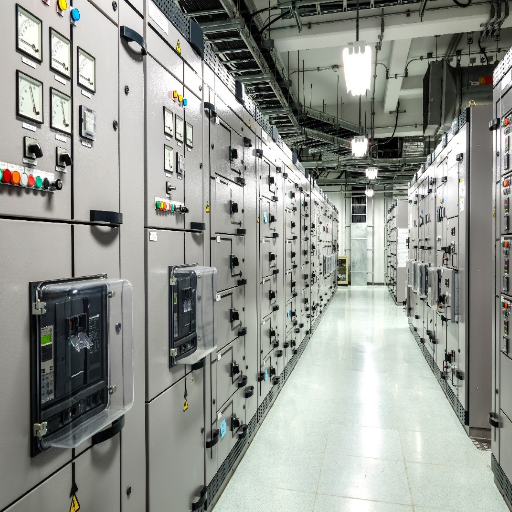
Switchgear is an essential part of the electric power system made to handle, preserve, and control the electricity flow. By performing three main functions—controlling the electrical circuit, protecting equipment from overloads or short circuits, and isolating sections of the system for maintenance or during faults—switchgear guarantees safe and efficient power network operation. With the help of modern switchgear, a wide range of applications is imaginable, from power generation, transmission, and distribution to industrial and commercial facilities. Reliability and functionality of switchgear are critical for the continuity of energy flow and the avoidance of equipment damage.
Definition of Switchgear
Switchgear is defined as a coordinated central station of circuit breakers, switches, and other generic components that perform their functions of controlling, creating the isolation of, and protecting electrical systems. It is a part of any electrical distribution network and is defined as such an integral part. Switchgear can work with different voltage levels, usually from low to ultra-high voltage systems – its main function being to secure the power distribution through the above-mentioned ways: fault current interruption, system isolation during faults or maintenance, and equipment safeguarding against overload and short circuit damage. Besides, the advancements in switchgear technology have also made system automation, reliability, and remote operability a more prominent feature, which has made the switchgear an absolute necessity in the power industry of the modern world.
Importance of Switchgear in Power Distribution
Switchgear is a transforming factor in the electric power systems management and protection, thus guaranteeing the reliability and safety of power distribution. It performs various essential functions, such as isolation of faults, protection of the system, and control of the flow of electricity. Switchgear can minimize the duration of disconnection and damage to the devices that are connected by automatically disconnecting the defective parts during overloading or short-circuiting. Besides, new generation switchgear comes with sophisticated monitoring and automation technologies that allow for operating from a distance and making decisions instantly. This feature not only improves the efficiency of operations but also lessens the costs of maintenance and increases the overall reliability of the grid. The use of strong switchgear is a must in catering to the increasing requirements of power infrastructure in the different sectors of industry, commerce, and residence.
Overview of Voltage Levels
Electrical systems’ voltage levels are classified mainly into three groups according to each level’s magnitude and application: the low voltage (LV), the medium voltage (MV), and the high voltage (HV). Low voltage, up to 1,000 volts AC in most applications, finds extensive use for residential, commercial, and industrial purposes such as lighting, power distribution, and small machines. The medium voltage range consists of 1,000 to 69,000 volts and is mainly for distributing electricity over shorter distances as well as for powering medium-sized industrial equipment. The high voltage category includes 69,000 volts and above and is responsible for carrying electricity via long-distance transmission lines with minimum energy loss. Different voltage levels require different machines and insulation systems capable of coping with the corresponding dielectric and thermal stresses. Having standardized voltage levels also helps in the easier interfacing of grid components and contributes to the overall enhancement of system safety and reliability.
Types of Electrical Switchgear

Based on voltage levels, electrical switchgear can be generally divided into three groups:
Low-Voltage Switchgear
This type of switchgear operates at the top voltage of 1,000 volts. It is widely used for electrical distribution within buildings and manufacturing plants. Circuit breakers, fuses, and busbars are the main components allowing safe and efficient electricity management.
Medium-Voltage Switchgear
This category encompasses voltages of 1,000 to 36,000 volts. It is the main voltage range for electric power distribution in manufacturing plants, substations, and large commercial facilities. Vacuum circuit breakers, relays, and current transformers are typical components for operations of protection and control.
High-Voltage Switchgear
This switchgear is rated for voltages above 36,000 volts. The use of this type is mainly in transmission networks to manage the flow of electricity over long distances. The primary components are gas-insulated or air-insulated breakers, disconnectors, and surge arresters that provide safety during operation and reliability of the system.
Medium-Voltage Switchgear
Medium-voltage switchgear works within the range of 1,000 to 36,000 volts and is thus an unavoidable source of power distribution to industrial plants, commercial buildings, and utility networks. One of its main applications is to protect, control, and isolate electrical appliances so as to keep the electrical system reliable and safe. Major parts of medium-voltage switchgear are circuit breakers (of vacuum, air, or SF₆ gas types), disconnecting switches, contactors, and protective relays. These systems are equipped with the latest technologies for the identification of faults, arc-flash minimization, and load break switching while being designed for saving space and operational efficiency. Due to its sturdy performance, flexibility, and modular arrangements, medium-voltage switchgear is commonly found in substations, factories, and wind/solar power plants.
Low-Voltage Switchgear
Low-voltage switchgear is a vulnerable and essential part of electrical systems that can manage voltages of up to 1,000 volts at most. It is mainly applied to commercial, industrial, and residential sectors and consists of components like circuit breakers, switch disconnectors, fuses, and motor starters. The main aim of low-voltage switchgear is to enable the safe and efficient distribution of electric power while preventing overload, short circuit, and other malfunctions caused by protection devices.
Incorporating intelligent monitoring, increased breaking capacities, and modular designs for ease of installation and scalability, modern low-voltage switchgear has all the advanced features. Power supply reliability and continuity are granted by these systems, therefore making them indispensable in places where a high level of operational uptime is required. In addition, compliance with international standards such as IEC 61439 or UL 489 guarantees safety, longevity, and adherence to regulatory requirements over a wide range of applications.
High-Voltage Switchgear
High-voltage switchgear is essential for the management and control of electrical systems with voltages greater than 36 kV. These systems are created to guarantee the safe transmission and distribution of electricity by isolating faults and protecting the equipment from damage. The main components that make up the system are circuit breakers, disconnectors, current transformers, and protective relays, which all together handle monitoring, controlling, and interrupting fault currents as per requirement.
Today’s high-voltage switchgear comes with many advancements, including gas-insulated switchgear (GIS) for small installations, high thermal and dielectric insulation, and real-time diagnostics for operational efficiency. Such systems have to comply with very strict rules like IEC 62271, thus ensuring their reliability, safety, and seamless use in high-demand places such as power plants, transmission lines, and industrial installations. The regular upkeep and monitoring of the condition of the switchgear systems are vital if their lifespan and reliability are to be maximized.
| Switchgear Type | Voltage Range | Primary Applications | Key Components |
|---|---|---|---|
| Low-Voltage | Up to 1,000 volts | Buildings, manufacturing plants, residential | Circuit breakers, fuses, busbars |
| Medium-Voltage | 1,000 to 36,000 volts | Industrial plants, substations, commercial facilities | Vacuum circuit breakers, relays, and current transformers |
| High-Voltage | Above 36,000 volts | Transmission networks, power plants | Gas-insulated breakers, disconnectors, surge arresters |
Components of Electrical Switchgear
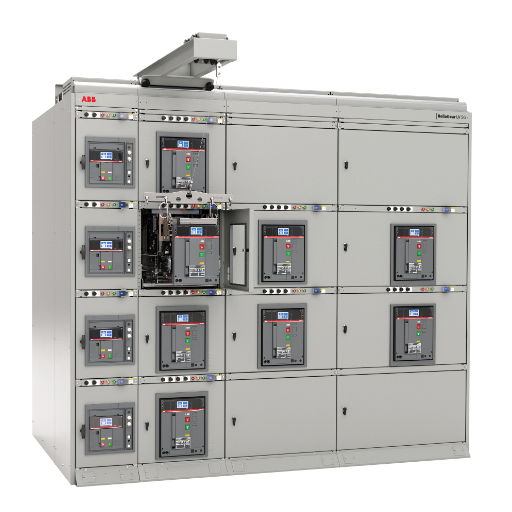
The electrical switchgear is made up of the following crucial parts:
- Circuit Breakers – These are the devices that are meant to automatically shut off the power supply to the electrical circuits during a fault condition, thus preventing damage and ensuring safety.
- Switches – These can be either manually or automatically operated devices that can be used to open or close an electrical circuit.
- Busbars – These are the conductors that act as a central point for distributing electricity among different circuits.
- Fuses – Protective elements that break the circuit by getting burned due to the excess current, thus preventing overloads.
- Relays – These are automation devices that always monitor the normal conditions and when an abnormality occurs, they activate the protective measures.
- Control Panels – These are the human-machine interfaces that are used to keep an eye on and control the switchgear system’s operation.
- Insulators – These are the materials that separate and support the conductive parts in the system, making it safe to operate.
- Current and Voltage Transformers – These are the tools that measure and monitor the electrical current and voltage, respectively, for the purpose of operational accuracy and safety.
All these parts act in concert to make the operation of electrical distribution systems efficient, safe, and reliable.
Main Components
A switchgear system’s main parts ensure power distribution’s functionality, safety, and efficiency. Their enumeration is as follows:
- Circuit Breakers – These devices stop the current when there’s an overload or fault, thus keeping the equipment safe and maintaining operation. The latest circuit breakers come with advanced fault detection and quick response mechanisms to reduce the time the system is down to a minimum.
- Disconnectors (Isolators) – Disconnectors are used to isolate electrical circuits for maintenance purposes. They make a visible break in the circuit, which means safe working conditions for the personnel.
- Busbars – Busbars are the metallic strips or bars that are responsible for distributing the power to the switchgear. They have been constructed in such a way that they can take on high currents with the least loss of energy.
- Instrument Transformers – These are the current and voltage transformers that step down the very high values of current and voltage to such levels that they are suitable for the protection relays and monitoring systems; this ensures accurate measurements and enhances safety.
- Protection Relays – Relays are the most essential protection devices since they detect anomalies like overcurrent or short circuits and signal the circuit breaker to take action, thus damage is avoided and hazards are kept at a minimum.
- Control Panels – The control panels contain the instruments, indicators, and switches that are needed to monitor and control the functioning of the switchgear. They have man-machine interfaces (HMIs) incorporated in them for better system management.
- Insulators – Insulators are crucial for the organization and separation of the conductive parts; they not only stop the unwarranted electrical flow but also help in maintaining the system’s high-voltage integrity.
- Earthing Switches – These switches create a channel through which the ground can absorb the fault currents, thus protecting the equipment and lessening the chances of electric shock.
All of these components put together, a switchgear system can assure high reliability and security in every aspect of the electrical power distribution, be it an industrial, commercial, or residential installation.
Insulation Methods in Switchgear
The insulation methods of switchgear play a crucial role in ensuring the performance and protection of electrical distribution systems. There are three primary insulation techniques utilized:
Air Insulation
It is the traditional method, relying on air as an insulating medium to separate live parts and avoid the discharge of electricity. Air insulation is the cheapest and most suitable method for low- and medium-voltage applications, but it requires more space than other methods.
Gas Insulation (SF₆ Gas)
In the case of high voltage switchgear, sulfur hexafluoride (SF₆) gas is used as an insulating and arc-quenching medium. It has outstanding dielectric properties, allowing the designer to come up with very compact designs. However, the use of gas is closely monitored, and even though it is limited, the quest for greener solutions is still on.
Solid Insulation (Epoxy or Composite Materials)
Solid insulation involves the use of epoxy resin, which helps to isolate the live parts. Solid insulation method is extremely reliable, and it facilitates compact designs. It is often used in combination with gas-insulated switchgear (GIS) to segregate the equipment from the environment.
All three methods have different aspects concerning price, global warming potential, and the level of safe use for different voltages. The consideration of the proper insulation method is influenced by the system requirements, safety regulations, and the surroundings in which the equipment is to be operated.
Switchgear Enclosures
Switchgear enclosures are protective housing for electrical switchgear that keep the equipment and the people safe from moisture, water, electrical short-circuits, and normal operation hazards. The materials that are mostly used to build these enclosures are stainless steel, aluminum, or galvanized steel, which provide very good mechanical strength and resistance to rust and other corrosive elements. The design standards may differ, but in many cases, they are based on IP (Ingress Protection) or NEMA (National Electrical Manufacturers Association) ratings, which characterize the levels of protection against dust, water, and other environmental factors.
The modern switchgear enclosures are equipped with advanced ventilation systems that are able to keep the temperature within an acceptable range, thus ensuring that the performance is reliable and the equipment can be operated even under heavy loads. The adoption of smart monitoring technologies enables real-time diagnostics, which in turn facilitates predictive maintenance and cuts down on unplanned outages. The enclosure designs also highlight compactness and modularity, hence giving the option to install in confined places or areas that are growing. The criteria for selecting switchgear enclosures should be in line with the system voltage requirements, ambient conditions, and industry compliance standards such as IEC 62271 or UL certifications.
How Switchgear Works
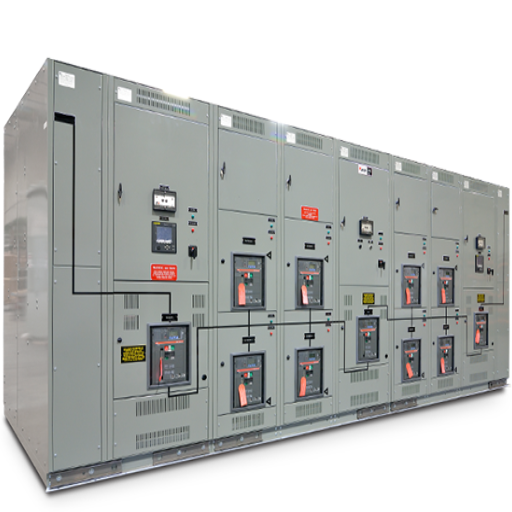
Switchgear manages, regulates, and safeguards the power supplied to the electrical system through its isolation and nearby downed lines during power interruptions. Thus, Switchgear prevents expensive equipment damage and, at the same time, ensures the safety of the system. The main components of the switchgear are circuit breakers, disconnect switches, and protective relays. They all work together to detect and respond instantly to malfunctions like overload or short circuit. Switchgear’s capability to offer accurate control and protection, ensures continuous and effective functioning of the electrical systems at the same time it reduces the risk to workers and the property.
Operational Mechanisms
The operation of switchgear is based on the introduction of a mixture of both electromechanical and digital components that can accurately monitor, isolate, and protect electrical circuits. The main operational mechanism consists of the protective relays that are able to identify all the abnormalities starting from voltage variations, through overcurrents, ending with short circuits, and, thus, to initiate a counter-measure. As soon as an irregularity is detected, circuit breakers come into action by rapidly disconnecting the defective part so that the power failure does not spread all over the system. Besides, the usage of disconnect switches ensures that either manual or automated isolation of circuits is accomplished for maintenance purposes, which contributes to both safety and convenience. High-tech switchgear systems frequently provide the inclusion of control technologies based on microprocessors, which render real-time diagnostics, data analysis, and remote operation possible. The case of the mix is that it guarantees exactness, dependability in carrying out, and strict adherence to the current safety measures.
Interrupting Methods in Switchgear
Switchgear interrupting methods are critical for electrical systems, as they safely handle fault currents and stop the current flow. These methods are grouped according to the extinguishing medium used for the arc developed in the switching operations. The main interrupting methods are as follows:
- Air Circuit Breakers (ACBs) – They extinguish the arc in air. That is why they are considered for low-voltage applications and also quite appreciated for their simplicity and maintenance ease.
- Oil Circuit Breakers (OCBs) – They use insulating oil to extinguish the arcs. In the case of an arc, the oil gets vaporized, thus the gas bubble of hydrogen is created, and that suppresses the arc. Today, these breakers are predominant in older systems, which are being gradually replaced for environmental reasons.
- Gas Circuit Breakers (usually SF₆) – They work with sulfur hexafluoride (SF₆) gas, which is an efficient insulating and arc-quenching medium. The main preference for their use is in high-voltage applications due primarily to their high interrupting capacity and compact design.
- Vacuum Circuit Breakers (VCBs) – They make use of a sealed vacuum environment for arc interruption. The rapid arc suppression in the vacuum is possible due to the absence of ionizable material; thus, it makes VCBs suitable for medium-voltage systems.
- Hybrid Solutions – They are employing a combination of different interrupting techniques, such as vacuum and SF₆, which are aimed at performance optimization, reducing operational stress, and modern design standards.
Not the method chosen depend on voltage and fault current magnitude, but also on environmental concerns and operational requirements. Systems nowadays are usually preferring to install vacuum and gas-insulated switchgear because their impact on the environment is low, while they are safe and efficient.
| Interrupting Method | Arc Extinguishing Medium | Voltage Application | Key Advantages |
|---|---|---|---|
| Air Circuit Breakers (ACBs) | Air | Low-voltage | Simple design, easy maintenance |
| Oil Circuit Breakers (OCBs) | Insulating oil | Medium to high-voltage | Effective arc suppression, gradually being replaced |
| Gas Circuit Breakers (SF₆) | Sulfur hexafluoride gas | High-voltage | High interrupting capacity, compact design |
| Vacuum Circuit Breakers (VCBs) | Vacuum | Medium-voltage | Rapid arc suppression, environmentally friendly |
| Hybrid Solutions | Combination of media | Various applications | Optimized performance, reduced operational stress |
Role in Power System Protection
By automatically disconnecting the faulty parts of the network, circuit breakers maintain system stability and prevent catastrophes that might involve large areas. Their operation is based on the detection of abnormal current flows, which may be the result of short circuits or overloading the circuit, and then interrupting the circuit to cut off the fault. Vacuum technology and SF₆ gas have been among the tough interrupting media used by modern high-voltage circuit breakers to achieve reliable and efficient arc extinction. Reducing the duration of the fault condition, these devices prevent equipment damage and allow for the overall service to be continuous and smooth.
Besides that, circuit breakers work with protective relays to make a protection scheme that is well-coordinated, in which faults are detected and cleared exactly and in a hierarchical manner. Their performance has a direct effect on the safety, reliability, and efficiency of the electric grid. Therefore, the never-ending evolution of circuit breaker technologies is still a must for being able to deal with the growing system demands and for the integration of renewable energy sources.
Switchboards vs. Switchgear
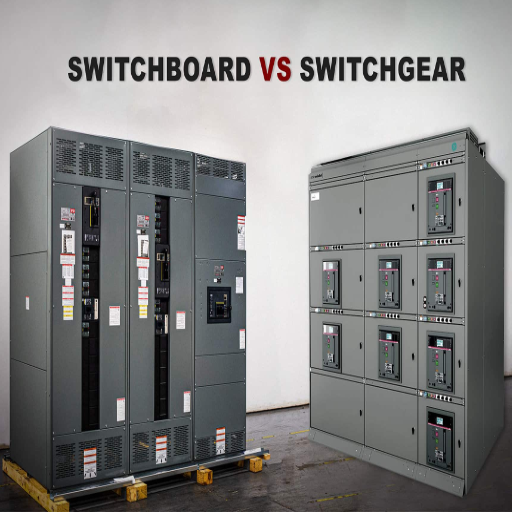
Electrical distribution systems utilize both switchboards and switchgear for different purposes. The main function of switchboards is to distribute power to various electrical circuits from a single source. Their design, which usually includes circuit breakers, busbars, and meters, is simpler, and they are often installed in small electrical systems.
Conversely, switchgear is meant for complicated applications requiring high voltage levels and exceptional protection. Its role is not just to distribute power; it also provides system protection and control during electrical faults. Switchgear frequently integrates circuit breakers, protective relays, and control mechanisms, thus making it appropriate for industrial or utility-scale systems where reliability and safety are of utmost importance.
The main distinction is made between complexity, voltage handling, and protection features; thus, switchgear is more robust and technically advanced than switchboards.
Differences Between Switchboards and Switchgear
The main distinctions between switchboards and switchgear are in their design, uses, and functions. Switchboards are mainly utilized in low-voltage power systems as the central point for power distribution and illuminating the entire building or plant. Their construction is more straightforward, concentrating on efficiency and accessibility, and containing circuit breakers, fuses, and measuring devices in a well-organized manner.
Switchgear, conversely, caters to medium to high-voltage electric systems and is frequently found in industrial or power plant areas where reliability and protection are of utmost importance. It integrates state-of-the-art technology such as arc flash protection, remote operation, and fault isolation by means of circuit breakers, disconnectors, and protective relays, among others, which are the very components of switchgear. Thus, the power distribution of switchgear is more complex, and it is still able to unearth superior solutions in areas like fault management and automation.
In general, while switchboards emphasize convenience and uncomplicated power distribution, switchgear overtakes with its advanced technology, catering to high-demand applications where safety, longevity, and exact control are of the essence.
| Aspect | Switchboards | Switchgear |
|---|---|---|
| Voltage Level | Low-voltage systems (up to 1,000V) | Medium to high-voltage systems (1,000V and above) |
| Primary Function | Power distribution from a single source | Protection, control, and isolation during faults |
| Design Complexity | Simpler, focuses on efficiency and accessibility | More complex with advanced protection features |
| Components | Circuit breakers, busbars, meters, fuses | Circuit breakers, protective relays, disconnectors, control mechanisms |
| Applications | Small electrical systems, buildings, residential | Industrial plants, power plants, utility-scale systems |
| Technology | Basic distribution and protection | Arc flash protection, remote operation, fault isolation, automation |
Applications of Switchboards
Switchboards are mainly applied where straightforward power distribution is the primary requirement. I would usually encounter them in commercial structures, high-end residential buildings, and limited power-consuming laboratory setups. The layout allows the effective distribution of electricity to different circuits, thus making switchboards suitable for places with average electricity needs and easy-to-manage operations.
Integration of Switchgear with Switchboards
The combination of switchgear with switchboards boosts the total functionality and dependability of electric distribution systems. Switchgear, along with circuit breakers, fuses, and switches, is installed in switchboards to provide vital protective measures such as disconnection of fault, protection against overload, and safe operation of the system under different load conditions. This combination allows effective management of energy and the following of safety regulations by protecting both equipment and people.
Switchboards with switchgear are widely found in areas with complicated power demands, for example, industrial plants, data centers, and large commercial facilities. The presence of highly advanced protective devices makes it possible to conduct very precise monitoring, to detect faults better, and to control processes automatically. This integrated solution not only optimizes the performance but also reduces the amount of downtime and the cost of maintenance, hence it is perfect for the needs of modern and high-demand electric infrastructures.
Key Considerations for Switchgear Selection
Important Factors to Consider:
- Voltage Requirements: Ensure the switchgear matches your system’s voltage level (low, medium, or high voltage)
- Current Capacity: Select switchgear with adequate current handling and interrupting capacity
- Application Environment: Consider indoor vs. outdoor installation, ambient temperature, and humidity
- Protection Requirements: Assess the level of fault protection and isolation needed
- Space Constraints: Evaluate available installation space and opt for compact designs if needed
- Maintenance Accessibility: Consider ease of maintenance and availability of spare parts
- Automation Needs: Determine if remote monitoring and control capabilities are required
- Standards Compliance: Ensure compliance with relevant international standards (IEC, UL, NEMA)
- Budget Constraints: Balance initial costs with long-term operational and maintenance expenses
- Future Expansion: Consider modular designs that allow for system growth
Maintenance and Safety Considerations
Regular Maintenance Requirements
Proper maintenance of switchgear is essential for ensuring reliable operation and extending equipment lifespan. Regular inspection schedules should include:
- Visual Inspections: Check for signs of wear, corrosion, overheating, or physical damage
- Electrical Testing: Conduct insulation resistance tests, contact resistance measurements, and protective relay testing
- Cleaning: Remove dust, debris, and contaminants that can affect performance
- Lubrication: Maintain moving parts and mechanical components according to manufacturer specifications
- Thermal Imaging: Use infrared cameras to detect hot spots and potential failure points
- Documentation: Maintain detailed records of all maintenance activities and test results
Safety Protocols
Working with switchgear requires strict adherence to safety protocols to protect personnel and equipment:
- De-energization: Always de-energize equipment before performing maintenance or repairs
- Lockout/Tagout: Implement proper lockout/tagout procedures to prevent accidental energization
- Personal Protective Equipment (PPE): Use appropriate arc-rated clothing, gloves, and face shields
- Arc Flash Analysis: Conduct arc flash hazard assessments and label equipment accordingly
- Training: Ensure all personnel are properly trained and qualified to work on switchgear
- Emergency Procedures: Establish and communicate emergency response procedures
- Grounding: Verify proper grounding before beginning work on electrical equipment
Future Trends in Switchgear Technology
Emerging Technologies and Innovations:
- Digital Switchgear: Integration of IoT sensors and digital monitoring for predictive maintenance and real-time diagnostics
- Eco-Friendly Alternatives: Development of environmentally friendly alternatives to SF₆ gas, such as clean air and vacuum technology
- Smart Grid Integration: Enhanced compatibility with smart grid systems for improved energy management and distribution
- Compact Designs: Continued miniaturization of switchgear components for space-saving installations
- Enhanced Safety Features: Advanced arc flash mitigation technologies and improved personnel protection systems
- Renewable Energy Integration: Specialized switchgear designed for solar, wind, and other renewable energy applications
- Artificial Intelligence: AI-powered fault detection and automated decision-making for faster response times
- Modular Systems: Increased modularity for easier expansion, maintenance, and replacement
Summary: Essential Switchgear Insights
Key Takeaways
- Critical Role: Switchgear is essential for controlling, protecting, and isolating electrical systems across all voltage levels
- Three Main Types: Low-voltage (up to 1,000V), medium-voltage (1,000-36,000V), and high-voltage (above 36,000V) switchgear serve different applications
- Core Functions: Circuit control, equipment protection, fault isolation, and system maintenance capabilities
- Essential Components: Circuit breakers, disconnectors, busbars, protective relays, control panels, and insulators work together for safe operation
- Multiple Insulation Methods: Air, gas (SF₆), and solid insulation each offer unique advantages for different applications
- Advanced Technology: Modern switchgear incorporates automation, remote monitoring, and predictive maintenance capabilities
- Safety Priority: Proper maintenance, safety protocols, and compliance with international standards are crucial
- Distinct from Switchboards: Switchgear offers more complex protection and control compared to simpler switchboard distribution systems
Conclusion
Switchgear stands as the backbone of modern electrical power distribution systems, providing the critical functions of control, protection, and isolation that ensure safe and reliable energy delivery. From low-voltage applications in residential buildings to high-voltage transmission networks spanning vast distances, switchgear technology has evolved to meet the increasingly complex demands of modern power infrastructure.
Understanding the different types of switchgear—low-voltage, medium-voltage, and high-voltage—along with their respective components and operational mechanisms, is essential for anyone involved in electrical system design, maintenance, or operation. The integration of advanced technologies such as digital monitoring, automated controls, and predictive maintenance capabilities has transformed switchgear from simple protective devices into intelligent systems that enhance overall grid reliability and efficiency.
The distinction between switchboards and switchgear highlights the importance of selecting the appropriate equipment for specific applications. While switchboards serve well for straightforward power distribution in smaller systems, switchgear provides the robust protection and advanced control features necessary for complex, high-demand industrial and utility applications.
As we move toward a future characterized by smart grids, renewable energy integration, and increased electrification, the role of switchgear becomes even more critical. Emerging technologies such as eco-friendly insulation alternatives, AI-powered fault detection, and enhanced safety features promise to make switchgear systems more efficient, sustainable, and reliable than ever before.
By prioritizing proper selection, installation, maintenance, and adherence to safety protocols, organizations can maximize the performance and longevity of their switchgear investments. The comprehensive understanding of switchgear principles, components, and applications provided in this guide serves as a foundation for making informed decisions that support safe, efficient, and reliable electrical power distribution for years to come.
Reference Sources
“Design of Distributed Temperature Measurement System for Switchgear”
“Methods of Automatic Control of the Topological State of the Equipment of Electrical Substations”
Frequently Asked Questions (FAQs)
What is a switchgear system and its operation?
By definition, a switchgear system is a set of electrical components that is responsible for the control, management, and distribution of electrical energy in a power system. It functions by disconnecting and cutting off electrical circuits to certainty the safe running and repair of electrical installations. Switchgear safeguards power equipment and gives the operator the option of choosing which part of the power network to work on, thus providing efficient power distribution.
How many different kinds of switchgear are there?
The categorization of switchgear in the electrical domain is based on the operating voltage levels; therefore, there are low voltage, medium voltage, and high voltage (HV switchgear) switchgear. The selection of the type and size of the switchgear relies on the voltage levels and power requirements specific to the area of use and the types of protection required for the electrical systems.
What are the constituents of switchgear?
The switchgear consists of a range of basic parts, for instance, circuit breakers, fuses, isolators, and bus-bars. The function of these parts is to manage the electricity flow and at the same time, protect and isolate the electric appliances; thus, granting a safe operation and maintenance of the whole electrical infrastructure.
Insulation of Switchgear Performance
The insulation of the switchgear is of utmost importance in its performance. Not only does it keep the electrical faults at bay, but it also governs the quality of high voltages that can be safely applied to the switchgear without causing a breakdown. The switchgear that is insulated, such as the gas-insulated and the vacuum switchgear, is known for their superior insulation and for that reason, they are often found in applications where compactness and high performance are required.
Function of Switchgear in Power Distribution Systems
Apart from controlling the electric flow, switchgear also protects the electric loads and assures the reliability of the whole electrical network, thus being indispensable in power distribution systems. Along with that, it prevents the occurrence of power surges and, at the same time, opens the door for smooth distribution of electricity among the various parts of the electrical infrastructure.
What is the application of medium-voltage switchgear?
Medium voltage switchgear, which is basically the one that can handle voltage levels from 1 kV to 35 kV, is widely used in the power sector, especially in industrial and commercial applications, for the control and protection of electrical devices. The switch is designed for electrical power systems that are reliable under varying conditions and ensure safe operations of.
In what way do switchgear assemblies help to secure power?
Switchgear assemblies with their ability to provide containment for the electric switchgear components improve electrical safety. Their working principle is that they isolate the electric equipment, which in the process minimizes the risks and hazards caused by electricity, hence allowing for maintenance to be done safely. Besides finding a way to shield the switchgear from all possible environmental threats through designing enclosures for it, one can also rely on the effectiveness of the design.
What benefits does air-insulated switchgear bring along?
There are a number of benefits to air-insulated switchgear, among which are lower costs at the beginning of the project, easy installation, and less need for maintenance. This type of switchgear has become widely accepted for the low-voltage and medium-voltage applications, due to its providing effective protection and control in various environments for electrical distribution systems.