







Understanding the differences between Schedule 40 and Schedule 80 PVC pipes is important for selecting the right PVC pipe for any given project. While these two types of pipes may seem similar, they diverge sharply in wall thickness, pressure ratings, and other areas of practical use. Selecting the wrong type of pipe could result in inefficiencies, incurable costs, or even catastrophic system failures in the future. This article will present a comprehensive analysis of Schedule 40 vs Schedule 80 PVC pipes so that you’re prepared to make the most appropriate decisions based on your requirements. By the end of the article, you will know exactly which option best suits your needs—be it residential plumbing, industrial, or anything in between.
What is the Difference Between Schedule 40 and Schedule 80 Pipes?

The primary differences between Schedule 40 and Schedule 80 PVC pipes are wall thickness, pressure rating, and their uses. Schedule 80 pipes are used in those applications that demand higher pressure because of their thicker walls. They are better suited for industrial and commercial works, which require strength and durability. Schedule 40 pipes, on the other hand, are more economical and useful in residential plumbing systems that operate at lower pressures. As both types have the same outer diameter, they can be used with the same PVC fittings. In deciding which type to use, take into account the pressure levels, budget, and environment of your specific project.
Overview of Schedule 40 and Schedule 80
The difference between Schedule 40 and Schedule 80 pipes is their wall thickness and pressure handling capabilities. Schedule 80 pipes are thicker and can therefore handle greater pressure, which makes them useful in industrial or other high-stress applications. On the other hand, Schedule 40 pipes are thinner, lighter, and cheaper, making them more suitable for residential use and low-pressure systems. Both types maintain the same external diameter, enabling system integration without the need for special fittings or adjustments. When choosing one or the other, it is important to consider the application’s pressure demands.
Key Differences Between Schedule 40 and Schedule 80
1. Wall Thickness and Strength
Pipes of both sizes in Schedule 40 are of the same diameter and have a significantly lower wall thickness as compared to Schedule 80 pipes. For instance, a Schedule 40 PVC pipe of 1-inch nominal size has a wall thickness of around 0.133 inches, while the corresponding Schedule 80 has a wall thickness of 0.179 inches. Such thickness increases the pressure tolerance and durability of Schedule 80 pipes under extreme conditions like harsh temperatures or high-pressure systems.
2. Pressure Rating
There is a considerable difference in pressure rating between Schedule 40 and Schedule 80 pipes. For example, a each 2-inch Schedule 40 PVC pipe comes with a pressure of roughly 278 psi when measured at 73°F, but for the same size Schedule 80, that number is roughly 400 psi. Such differences make Schedule 80 more favorable in industrial and commercial activities that require greater pressure capabilities.
3. Weight and Material Usage
Schedule 80 has thicker walls than Schedule 40, which makes it heavier and increases material usage. This added weight bolsters durability but also increases production, shipping, and installation costs. For non-intensive applications, the added cost is not worth the expense, which makes Schedule 40 more economical.
4. Applications
Schedule 40 pipes are mostly used in residential plumbing, irrigation systems, and low-pressure liquid transport applications where weight and cost are primary factors. Schedule 80 pipes are used in industrial applications where they deal with high pressure, chemicals, or mechanical stress, such as chemical processing plants and manufacturing operations.
5. Compatibility and Dimensions
Both Schedule 40 and Schedule 80 pipes have the same external diameters, which ensures compatibility with standard fittings. This ensures ease of installation as well as quick changeovers between the two types as needed.
Engineers and professionals can make informed decisions when choosing piping solutions tailored to the specific requirements of their projects by knowing these crucial differences. Ultimately, their decision will be based on system pressure and temperature, along with material costs.
How Does Wall Thickness Affect Performance?
The performance and safety of piping systems hinge on wall thickness, as it determines pressure resistance, system effectiveness, and piping durability. High-pressure pipes, such as those used in industrial steam systems or hydraulic pipelines, benefit from internal pressure; hence, thicker walls are installed. Increased pressure capability is suitable for high-demand applications. ASME standards guide the relationship between wall thickness, material strength, and maximum allowable pressure using Barlow’s equation alongside other criteria-compliance metrics.
As an example, the MAWP can rise dramatically with only a few millimeters increase in wall thickness alongside larger diameters and more suitable materials. On the other hand, the expense associated with excess material and weight, not to mention increased thermal ineffectiveness, adds fallout risk when walls become overly thick. Within these metrics, engineers have to pursue optimal safety measures, system efficiency, and thorough cost analysis.
In addition, the insulation capability of a structure is highly influenced by its wall thickness. The walls of pipes carrying high-temperature fluids need to be sufficiently thick to prevent heat loss and avoid rupturing from thermal expansion. To withstand these forces, proper heat retention and strength need to be achieved. Therefore, advanced materials such as duplex stainless steels or carbon steel alloys are used, along with optimized wall thickness. Selecting the correct wall thickness not only maximizes the lifespan of the piping system but also maintains efficient operation under different stress conditions.
When to Use Schedule 40 or Schedule 80 PVC?

Applications for Schedule 40 PVC
Because of its ease of use, reasonable costs, and durability, Schedule 40 PVC is applied in a wide range of industries and applications. Its most common applications include, but are not limited to, the following:
1. Residential Plumbing Systems
Schedule 40 PVC is well established in the residential plumbing systems, especially in the water supply and drainage systems. It can transport cold water and non-pressurized wastewater and has strength, as well as being corrosion resistant.
2. Irrigation Systems
Schedule 40 PVC pipes are widely accepted in agriculture and landscaping irrigation systems. It is well suited for low-pressure use and has high reliability in transporting water to the sprinkler or drip irrigation systems.
3. Ventilation and Exhaust Ducts
Schedule 40 PVC is often seen in HVAC equipment as part of the ventilation and exhaust piping. It is used for non-pressurized airflow. Its low weight and chemical resistance make it perfect for non-aggressive gas applications.
4. Aquarium and Fish Farming
There are also commercial applications in aquariums and fish farming where they use this type of PVC piping because it is saltwater resistant and exposure to chemicals.
5. Electrical Conduit
For residential and commercial projects, electrical wiring can be protected using Schedule 40 PVC. The nonconductive nature of the PVC, as well as its moisture resistance, allows for its placement both indoors and outdoors.
6. Food and Beverage Industry
For compliant food and beverage facilities, Schedule 40 PVC is used for inactive low-pressure piping since it is non-toxic and chemical resistant.
7. Medical Applications
Its use is allowed in non-invasive surgical equipment and in machines that move liquids. Its smooth surface and resistance to contamination render it suitable for use in controlled environments.
8. Pool and Spa Systems
Schedule 40 PVC is used to filter pools and spas. Its capacity to carry water at moderate pressures and temperatures makes it suitable for use without corrosion or breakdown.
The multiple examples presented above, alongside its range of applications, serve to highlight the reliability of Schedule 40 PVC under defined temperature and pressure conditions. Always make sure to check the intended fluids as well as surroundings for optimum function and safety.
In Which Scenarios is Schedule 80 Preferred?
Schedule 40 PVC is more widely used in the industry, but it is less expensive than Schedule 40 and is mostly used in higher pressure handling applications. As for Schedule 80 PVC, these are mostly suited for industrial applications as these can handle much more pressure. For example, it can withstand pressure as high as 280 PSI at 73F and can endure internal pressure on commercial and industrial areas.
Due to the increase in and additional strength, schedule 80 PVC can be used in wastewater systems, some industrial cooling systems, and chemical processing. Adding to that, these are also suitable for extreme or harsh chemicals as they are high resistant to those chemicals. Thus making the reliability longer within that environment.
Schedule 80 PVC or Piping is also preferred in outdoor installation as they contain greater resistance and impact towards harmful chemicals, making them more reliable long-term. Additionally, there is a significant decrease in internal diameter with changing the wall thickness, subsequently, the flow rate will be reduced as well. In consequence, utmost care must be enforced when selecting or installing these pipes, both regarding the flow efficiency with system measures to ensure maximum optimization.
Factors Influencing Pipe Selection
In choosing pipes, I pay close attention to the pressure requirements, the application’s expected flow rate, and the working environment of the pipes. Also, I have to make sure that these factors align with the system’s performance goals. For example, in high-pressure conflict situations, I tend to use physically tough materials such as Schedule 80 PVC. My only caveat is that it comes with a reduced flow rate. All the same, balancing these technical parameters is crucial to optimizing system efficiency and reliability.
How Do Pressure Ratings Differ for Schedule 40 vs Schedule 80?
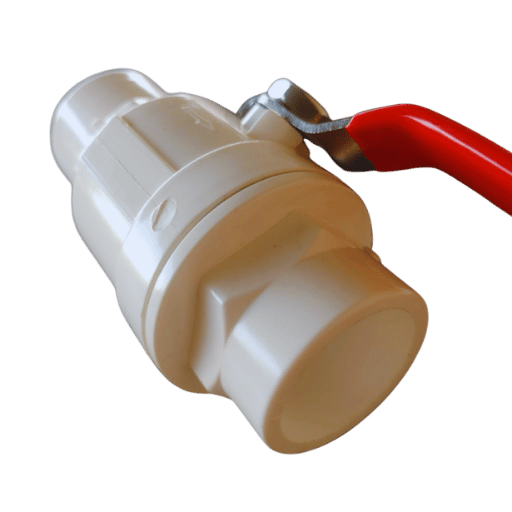
Understanding Pressure Ratings
Due to the differences in wall thickness, Schedule 40 and Schedule 80 pipes have different pressure ratings. Irrespective of the size, Schedule 80 pipes will have higher internal pressure tolerances because they have thicker walls. Take, for example, a 1-inch Schedule 40 PVC pipe, which has a pressure rating of 450 psi. At a standard temperature of 73°F, a 1-inch Schedule 80 PVC pipe is rated at 630 psi. These can tolerate significantly higher internal pressures. This difference transforms Schedule 80 to a more desirable choice for uses that rely on strength and dependability under high-pressure conditions.
Comparing Pressure Handling Capabilities
Evaluating pressure capabilities involves more than just the pipe schedule designation, as a number of external factors are rarely included. A Division of the Engineering School provides the example of PVC and CPVC pipes. While CPVC is generally known to have a greater upper limit for temperature control, many fail to consider that semi-rigid PVC performs differently under thermal and pressure stress compared to CPVC. Furthermore, the wall thickness and diameter also contribute significantly. Consider the differing ratings between Schedule 40 PVC and Schedule 80 PVC; thicker walls not only insulate better, but also blunt greater internal pressures.
Pressures relating to system items and their requirements show that 2-inch Schedule 40 PVC pipes are stated on the market with a working pressure of 280 psi, and 2-inch Schedule 80 variants with 400 psi. These were recorded at a room temperature of 73°F. Defining expectations is inaccurate due to manufacturers having different engineering standards across countries, but a warmer temperature approach, yielding increased material softness. For instance, Schedule 80 PVC pipes lose pressure gets listed as 140 psi at 140°F, while the rate of softening starts. The trade-off is not worth ignoring when piping relies on critical reserves of both static pressure and temperature.
Furthermore, an operating environment also affects the life span and the pressure rating of piping systems. For example, chemical processing or exposure to UV radiation will cause pipes to weaken much faster than they’ll be able to if they weren’t preemptively treated or coated to resist it. These factors, along with the meticulous calculations regarding pressure thresholds, work together for safety and system functionality in extreme environments.
Impact of Pressure on Longevity
The operational ges and their pressure, precisely the contact pressure, have a pervasive impact on the lifespan of piping systems linked with it. Furthermore, acute internal pressure is not managed properly may cause dangerously material fatigue, microfracture, or worst case scenario, catastrophic failure. It is well observed that excessively high-pressure cycles wear materials out much faster during expansion and contraction cooling phases.
For example, studies show that water hammer effects, which are pressure surge effects in fluid systems, can peak internal pressure far greater than design limits, which, over time, inflict additional strain on pipe walls and joints. Engineering provisions suggest materials like stainless steel and cross-linked polyethylene (PEX) to perform better under fluctuating pressure due to thermal expansion and contraction cycling of fluids compared to polyvinyl chloride (PVC), which tends to soften under such conditions.
To relieve the harmful effects of pressure on piping systems’ longevity, adequate wall thickness, pressure relief windows need to be incorporated in the design. Evidence from material testing indicates the operational life span of piping systems is up to 25% better when high-pressure class systems are used, not to mention fewer limit constraints. Such designs, unmatched by constant pressure checking and routine servicing, maximize system reliability and safety during operations.
What are the Pipe and Fittings Options for Schedule 40 and 80?

Common Fittings for Schedule 40 Pipes
Schedule 40 pipes, which have the widest application in residential, commercial, and industrial uses, require various kinds of fittings to satisfy certain criteria within the piping systems. The fittings are made from PVC, CPVC, or other strong materials withstanding elemental degradation, mechanically induced stress, and thermal shocks. Functional fittings for Schedule 40 pipes are listed below:
Elbows (90° and 45°)
Elbow fittings are a necessity in systems where flow direction needs to change. They come in 90 degree and 45 degree angles, and can be either solvent-welded or threaded, depending on the piping requirements. A standard material test demonstrates that these fittings do not fail functionally under hydrostatic pressure of 280PSI at 73°F water for PVC.
Tees
Tee fittings enable a branch line to be situated at a perpendicular direction to the main line. Custom manufactured fittings serve well for optimal flow division and are well spread in applications that divide liquids or gases. Quality control exercised in modern production factories guarantees leak-proof seals and pressure ratings compatible with most schedule 40 piping systems.
Couplings
Couplings are linking devices between two straight sections of pipes. They come as standard and slip varieties. Tested to ensure seamless assembly, extending the system’s security against leaks.
Adapters
For changing pipe types or joining pipes to valves that have threads, adapters are a necessity. Connect threaded valves to relevant male and female-sized swivels, which fulfill all industry requirements as to being compatible with any size.
Caps and Plugs
Caps seal off sections of pipelines while ensuring that no material leaks out. Plugs serve the same function as openings on pipes. The materials they use resist extreme pressure. Tests show Schedule 40 caps and plugs withstand pressures as high as the pipes in use.
Reducer Bushings
For adaptors with varying diameters of pipes within a system, reducer bushings are essential. Today’s models make use of modern engineering and design bushings to provide smooth flow paths as well as cancel pressure stability drops during transitions.
Always adhere to system design and fitting selection policies when choosing design and performance matching specifications in systems. For best results over time, ensure maximum static pressure, chemical attack, exposure temperature, and pipe size metrics are met when fitting selection is done.
Available Fittings for Schedule 80
The fittings of Schedule 80 are constructed of materials like PVC, CPVC and steel to withstand high pressures. Like other fittings, they meet the requirements of industry and business piping systems. They are available as Elbows and Tees which are both comprehensively discussed below.
1. Elbows
- Available Materials: PVC, CPVC, Stainless Steel.
- Connection Types: Slip or Threaded Ends
- Plumbing Angles: Usually 45° and 90°
- Applications: Best used when the aim is to change the direction of flow inside the pipeline
2. Tee
- Material Options: PVC, CPVC, Steel.
- End Types: Slip, Threaded, or Socket Connections
- Applications: It can bifurcate a single stream of flow to two or can combine flow from multiple directions.
3. Couplings
- Material Options: PVC, CPVC, Cast Iron.
- Application Area: Designed for connecting two sections of pipe securely and facilitating easy removal.
4. Bushings
- Combination: Capable of supporting pipes with differing diameters.
- Application Area: Used for connecting two pipes of different diameters to optimize pressure management.
5. Caps and Plugs
- Available Materials: PVC, CPVC, and Steel.
- Applications: They are used to seal the ends of a pipeline so that flow does not escape during non-operation or maintenance.
6. Flanges
- Design: Bolt-on connections enable quick assembly and disassembly.
- Applications: Ideal for systems that undergo periodic maintenance or require frequent inspections.
7. Material Options: PVC, CPVC.
- Applications: Enable operating features that allow for disconnection and reconnection of pipes with minimal disruptive activities in the system.
Technical Specifications
|
Fitting Type |
Pressure Rating |
Temperature Range |
Material Compatibility |
|---|---|---|---|
|
Elbows |
150-300 PSI |
Up to 200°F (93°C) |
PVC, CPVC, Steel |
|
Tees |
150-300 PSI |
Up to 200°F (93°C) |
PVC, CPVC, Steel |
|
Couplings |
150-300 PSI |
Up to 200°F (93°C) |
PVC, CPVC, Cast Iron |
|
Bushings |
150-300 PSI |
Up to 200°F (93°C) |
PVC, CPVC |
|
Caps and Plugs |
150-300 PSI |
Up to 200°F (93°C) |
PVC, Steel, CPVC |
|
Flanges |
150-400 PSI |
Up to 200°F (93°C) |
Stainless Steel, PVC |
The durability and precision design of Schedule 80 fittings make them a reliable choice for systems demanding high pressure and temperature resistance. Always ensure proper compatibility between fittings, piping materials, and operational conditions for optimal system performance.
Compatibility with Other PVC Fittings
Schedule 80 PVC fittings and other systems interconnect seamlessly as long as standard sizes and specifications are observed. Compatibility also includes Schedule 40 PVC, which is frequently used for low-pressure applications due to its thinner walls. In general, both systems connect without problems, but fittings and pipes must be matched in size and pressure ratings.
When adding other PVC systems to Schedule 80 PVC fittings, pressure and temperature ratings, along with chemical exposure, must be taken into consideration. For example, Schedule 80 fittings have a higher pressure and temperature rating than Schedule 40. A typical Schedule 80 PVC fitting can maintain 200 PSI of pressure at 73°F (23°C) while a standard Schedule 40 equivalent would only support 120 PSI at that same temperature. Both fittings have similar installation practices; however, beyond their pressure resistance, both are solvent welded, provided the materials meet ASTM and industry requirements.
Evaluating materials’ resistance to stress and compatibility for transporting certain chemicals must also be considered. For instance, PVC works with water, acids, and weak alkalis, but some fittings may need to be upgraded to CPVC or stainless steel for corrosive or high-temperature applications. Meeting compatibility requirements increases the operational lifespan of the system as well as decreases the likelihood of system leaks or operational failures. Remember to check the specific design standards of the system when integrating components from other classifications of PVC systems and cross-cutting diverging fittings.
How Does Conduit Differ in Schedule 40 vs Schedule 80?
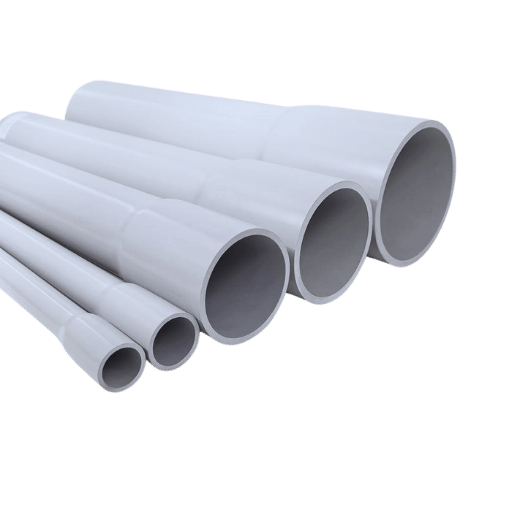
Characteristics of Schedule 40 PVC Conduit
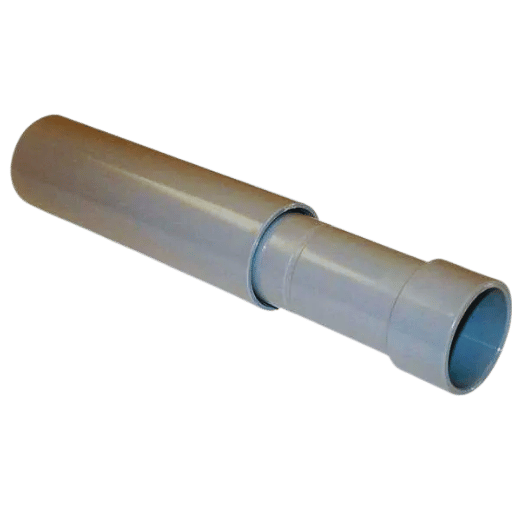
Schedule 40 PVC conduit is a type of non-metallic conduit often used to protect electrical cables due to its ease of use across multiple applications. Its lightweight attributes, low cost, and simple installation make it a preferred option. This type of conduit is produced with wall thickness in a more cost-effective manner, lower than alternatives such as schedule 80, while providing adequate strength for most installations.
1. Key Features and Benefits:
Wall Thickness and Strength: Schedule 40 PVC conduit is manufactured with a standard wall thickness set to withstand typical mechanical stress. It is lighter than Schedule 80, but still provides sufficient strength for indoor or low exterior use where impacts and weight may not be a large concern.
Heat Resistance and Temperature Limitations: Schedule 40 PVC conduit operates best in temperatures from -4°F to 140°F (-20°C to 60°C). While these conditions will not damage the conduit, it can lose shape if exposed to long periods of high temperatures or direct sunlight lacking UV filters.
2. Applications:
- Acceptable for commercial and residential electrical wiring.
- Often employed in underground applications where the conduit is encased in concrete for added protection.
- Best suited for indoor use in non-constricted environments where external pressure is absent.
3. Compliance and Standards:
- UL 651 stage non-metallic rigid conduit is the bounding standard for this product.
- Impervious to corrosion, which makes it appropriate for use in sealed wet areas.
4. Workmanship Considerations:
- Ease of handling on site due to lightweight weight which simplifies cutting.
- If required, solvent cement or threaded fittings can be coupled to form watertight connections.
- Solves rusting problems that metal conduits are associated with.
Data Summary:
- As per common accepted dimensions, the Inner Diameter (ID) and Outer Diameter (OD) of 2-inch Schedule 40 PVC conduit is 2.047 inches and 2.375 inches respectively.
- Cost-effectiveness aside, the material provides adequate strength of around 7,000 psi tensile strength in most routine applications to not be overengineered, thus providing precise utility in non industrial environment.
This conduit is reliable for various projects, but may necessitate the use of Schedule 80 in high-impact areas or extreme operating conditions.
Features of Schedule 80 PVC Conduit
Sturdier Wall Thickness
Compared to Schedule 40, Schedule 80 PVC conduit has thicker walls which allows it to endure a greater presure rating as well as improved durability in harsh conditions.
Elevated Tensile Strength
The tensile strength of Schedule 80 PVC is approximately 8000 psi, guaranteeing significant mechanical stress resistance and reliability under heavy loads.
Enhanced Impact Resistance
Schedule 80 PVC’s robust construction enables it to withstand considerable impacts, making it appropriate for areas with heavy footfall or places where physical damage is likely to happen.
Resistance to Temperature
Between 32°F and 140°F, Schedule 80 PVC can operate without issue, thus expanding its range of indoor and outdoor applications.
Corrosive Resistance
Because the PVC material does not corrode, rust, or weaken from exposure to moisture or chemicals, it is ideal for these conditions.
Wide Range of Uses
The exceptional properties of Schedule 80 PVC conduit make it suitable for use in industrial applications, electrical works, as well as in places that require greater sign of physical security or proactive adherence to more stringent regulations.
UV Resistant
Schedule 80 PVC is guaranteed to resist ultraviolet light, withstanding prolonged exposure to sunlight, making it an excellent choice for outdoor fittings.
Adherence to Standards of Industry
Schedule 80 PVC conduit is compliant with multiple industry standards like ANSI/UL 651, which guarantees that it meets the safety and performance requirements of electrical system installations.
The unique combination of industrial features makes Schedule 80 PVC an ideal compliance solution for construction works that need superior strength and long life.
Choosing the Right Conduit for Electrical Installations
The following factors are critical when choosing the appropriate conduit for your electrical works:
1. Considering Standards
Check if any applicable standards such as ANSI/UL 651 for PVC (sch. 40 and sch. 80) exist. Conformances to industry benchmarks should be met to maintain operational safety and efficiency.
2. Ease of Use
Industry standards are put in place not only for the safety but also for the ease of use and construction. Use of easy to install materials, and pliable conduits should be considered. Rigid conduits will offer difficulty in confined and irregular areas.
3. Durability
Why is there a need to sustain a durable construction, such as rigid encapsulation? It will serve to protect and minimize dampness, nasty weather, and heat. Also, be aware that not all installations require protective measures such as heat. Constriction and climate must be taken into consideration.
4. Flexibility
Electrical installations require maximum versatility, as some require working within intricate confines. Flexible conduits must be considered so that form does not become a constraining factor in execution.
Striking a balance with all factors will yield the most valuable solution to your electrical installation requirements.
Frequently Asked Questions (FAQs)
Q: What is the primary difference between schedule 40 and schedule 80 PVC pipes?
A: The wall thickness is the primary difference between schedule 40 and schedule 80 PVC pipes. Schedule 80 PVC pipes can withstand higher pressure applications because they have thicker walls compared to schedule 40.
Q: In what way does the pipe schedule denote the wall thickness?
A: The pipe schedule designates the wall thickness of the pipe. A higher schedule number represents a thicker wall. For instance, schedule 80 PVC pipes are thicker in wall construction relative to schedule 40 PVC pipes.
Q: Are both schedule 40 and schedule 80 PVC pipes suitable for use as electrical conduits?
A: Both schedule 40 and schedule 80 PVC pipes can function as conduits for electrical wires. Schedule 80 is more commonly used for additional protective coverage due to having thicker walls, which is why it’s preferable for those types of applications.
Q: Are Schedule 40 and Schedule 80PVC Pipes equal in terms of outside diameter?
A: All PVC pipes, schedule 40 and schedule 80, share the same nominal pipe size outside diameter. However, schedule 80 has thicker walls, which result in a reduced inside diameter.
Q: Under what circumstances is it preferable to use Schedule 80 PVC Pipe as opposed to Schedule 40?
A: Schedule 80 is more useful in situations that require more strength, such as heightened durability during use or in more demanding conditions—like exposed industrial settings—where more durability is a must, as well as in Highly pressurized areas.
Q: In what manner does the thickness of the pipe influence its pressure rating?
A: The thickness of the pipe impacts its pressure rating. For instance, schedule 80 PVC pipes have thicker walls, which yield greater pressure-bearing capabilities when compared to those of schedule 40 PVC pipes.
Q: Compare the pricing of schedule 80 and 40 PVC pipes.
A: Price differentiations exist owing to wall thickness; thus, schedule 80 PVC is more expensive than schedule 40.
Q: Is it possible to implement Schedule 80 PVC pipes in plumbing systems?
A: They are often used in plumbing systems that require more robust pipes. Thus, schedule 80 PVC pipes can be utilized in plumbing applications, especially where higher pressure resistance or durability is required.
Q: Compare schedule 40, schedule 80 PVC pipes to steel pipes.
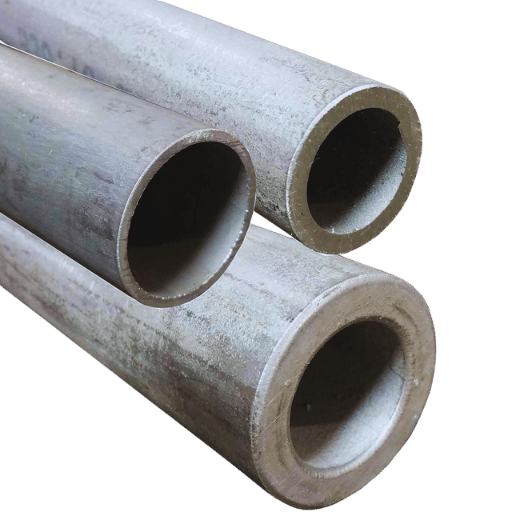
A: About steel pipes, both schedule 40 and schedule 80 PVC pipes tend to be lighter and less expensive. However, they do possess lower pressure ratings in general. For greater strength and durability, more 80 steel pipe will be needed.
Q: What is the relationship between the schedule number and the nominal pipe size?
A: While the schedule number pertains to the wall thickness of the pipe, it is a dimensionless number. Nominal pipe size, on the other hand, is a description indicating the approximate inside diameter of the pipe. Combined, they assist in determining the pipe’s pressure rating and ability to withstand various applications.
Reference Sources
1. Post Marketing Clinical Experience Study Of Atorvastatin 80 Mg Versus 40 Mg In Indian Patients With Acute Coronary Syndrome – A Randomized, Multicenter Study (CURE-ACS)
- Authors: U. Kaul et al
- Journal: The Journal Of The Association Of Physicians Of India
- Publication Date: 2 01 2013
- Citation Token: (Kaul et al., 2013, pp. 97-101)
Primary Investigational Outcomes
- The study also found that both dosages were well tolerated in Indian patients with acute coronary syndrome (ACS).
- The atorvastatin 80 mg dosage was more effective than atorvastatin 40 mg in terms of LDL cholesterol reduction.
Approach
- This was a randomized, multi-centre study evaluating the impact of atorvastatin in two different doses (40 mg and 80 mg) on LDL cholesterol in patients with a diagnosis of ACS.
2. Evaluation of the Safety Profile of High-Intensity Statins in a Veteran Population: Atorvastatin 40 to 80 mg Versus Rosuvastatin 20 to 40 mg
- Authors: B. Stein et al.
- Journal: Annals of Pharmacotherapy
- Published On: November 12, 2019
- Citing Reference: (Stein et al., 2019, pp. 405–413)
Conclusions Derived:
- Higher intensity atorvastatin (40-80mg) use was noted to have greater adverse drug reactions when compared to the use of rosuvastatin (20-40 mg).
- The clarity regarding the relative safety of the high-intensity statin agents remains inconclusive.
Study Design:
- In this analysis, a retrospective cohort design was utilized to study veterans receiving either atorvastatin or rosuvastatin and evaluate safety outcomes, especially adverse drug reactions.
3. Telmisartan Versus Losartan: A Double-Blind Study on Efficacy and Tolerability in Taiwanese Hypertensive Patients
- Authors: Y-T Lee et al.
- Journal: International Journal of Clinical Practice
- Date Published: November 10, 2004
- Citation Token: (Lee et al, 2004)
Important Discoveries:
- Telmisartan 40-80 mg and losartan 50-100 mg were equally effective both in overall effectiveness as well as improvement observed in systolic blood pressure.
- Both medications were well tolerated among the participants.
Methodology:
- A multicenter, randomized, double-blind, double-dummy, parallel-group design study involving two groups of participants aiming to assess the effectiveness and tolerability of the two antihypertensive drugs.
6. Piping